Travel back in time to occupied Copenhagen
- Target audienceYouth education programmes
- Duration2 hours
- SubjectHistory
- Maximum number of participants30 students
- Price1,000 DKK
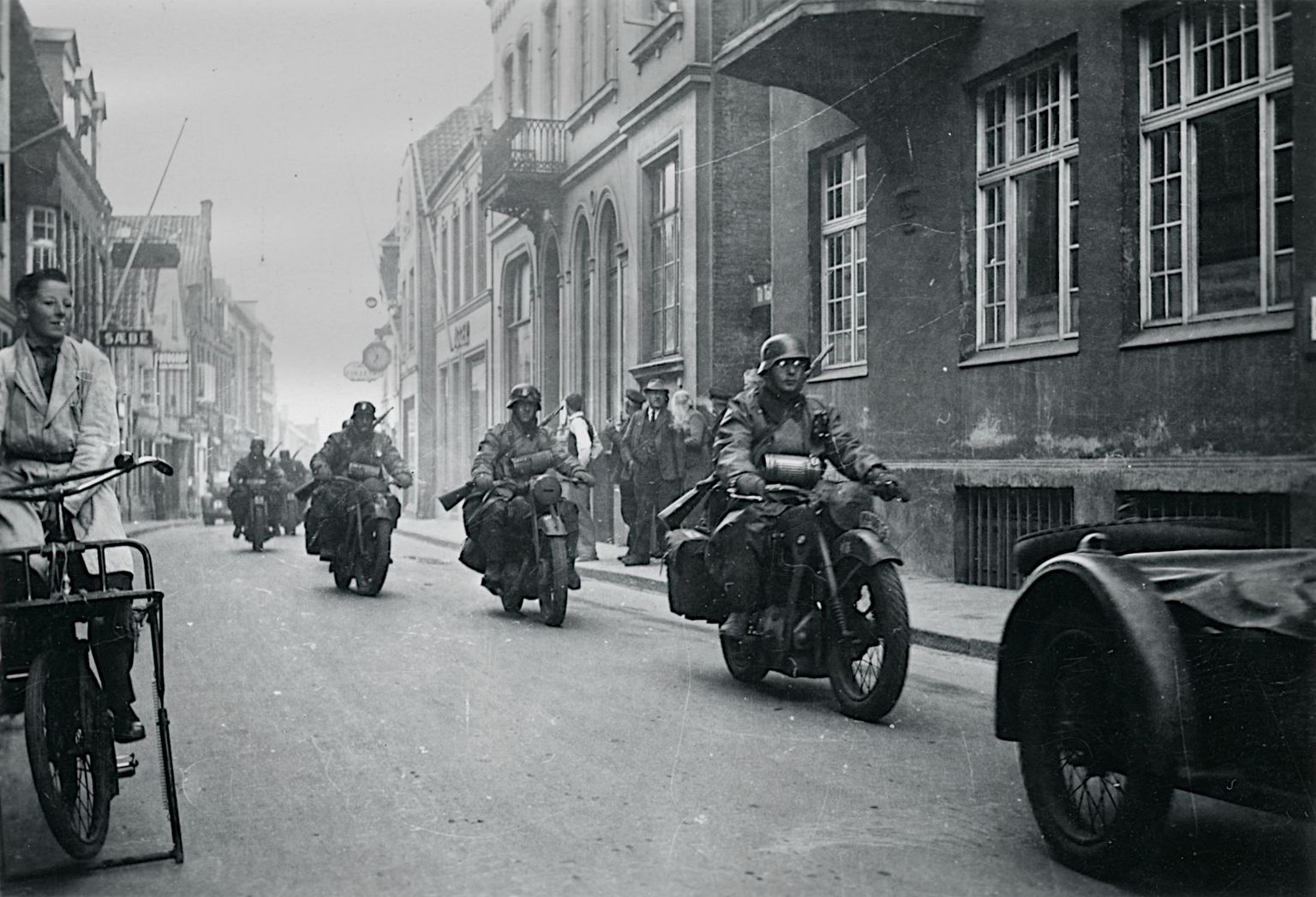
Take the class on a city walk that transforms the history of the occupation from curriculum to experience. The stories from the five fateful years still live on in Copenhagen's urban space.
All around the Museum of Danish Resistance, traces of the occupation are visible: buildings, squares and even bullet holes bear witness to the dramatic events that shaped Denmark. The city walk makes history tangible for students in a way that the classroom cannot.
1.
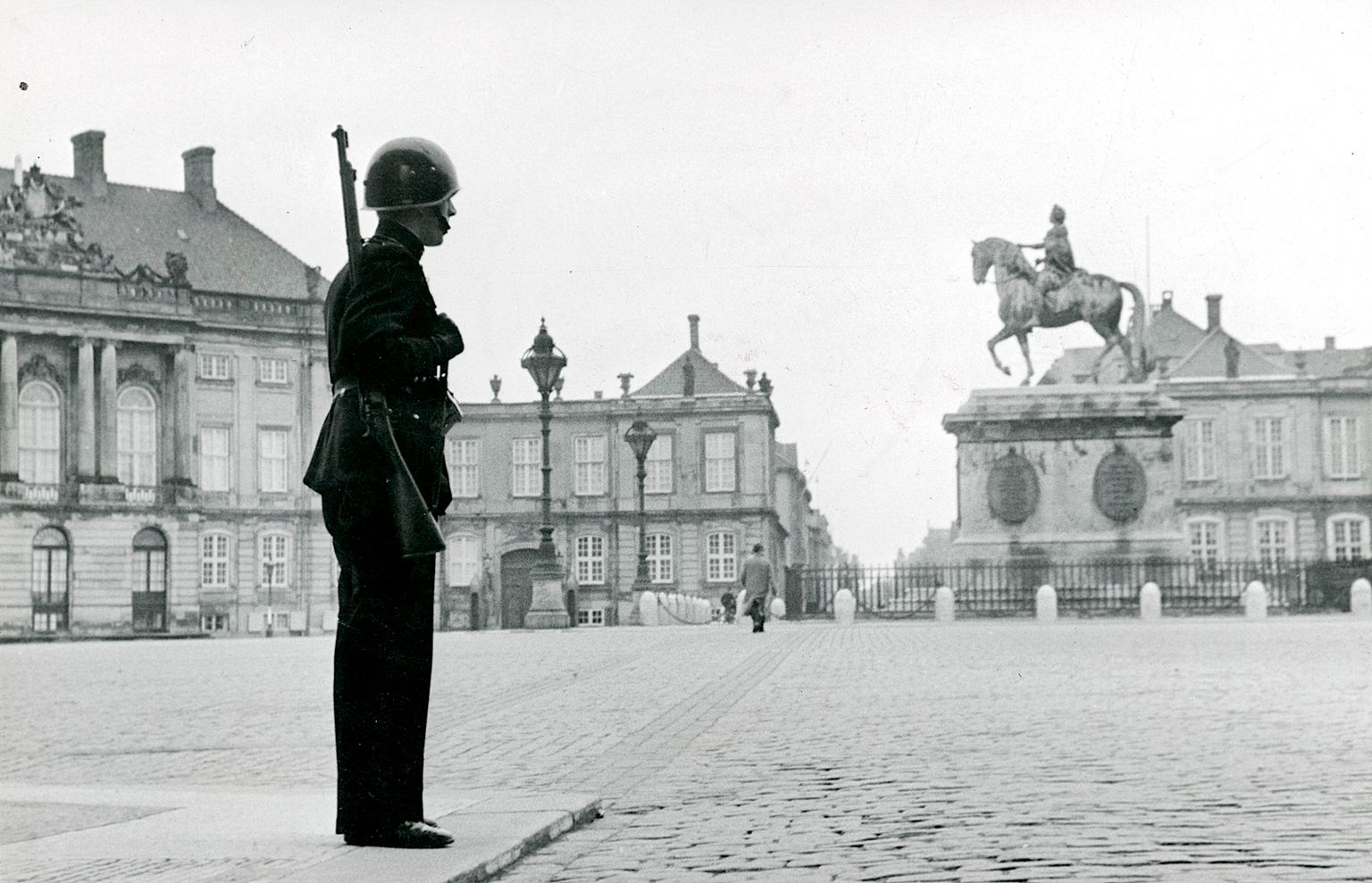
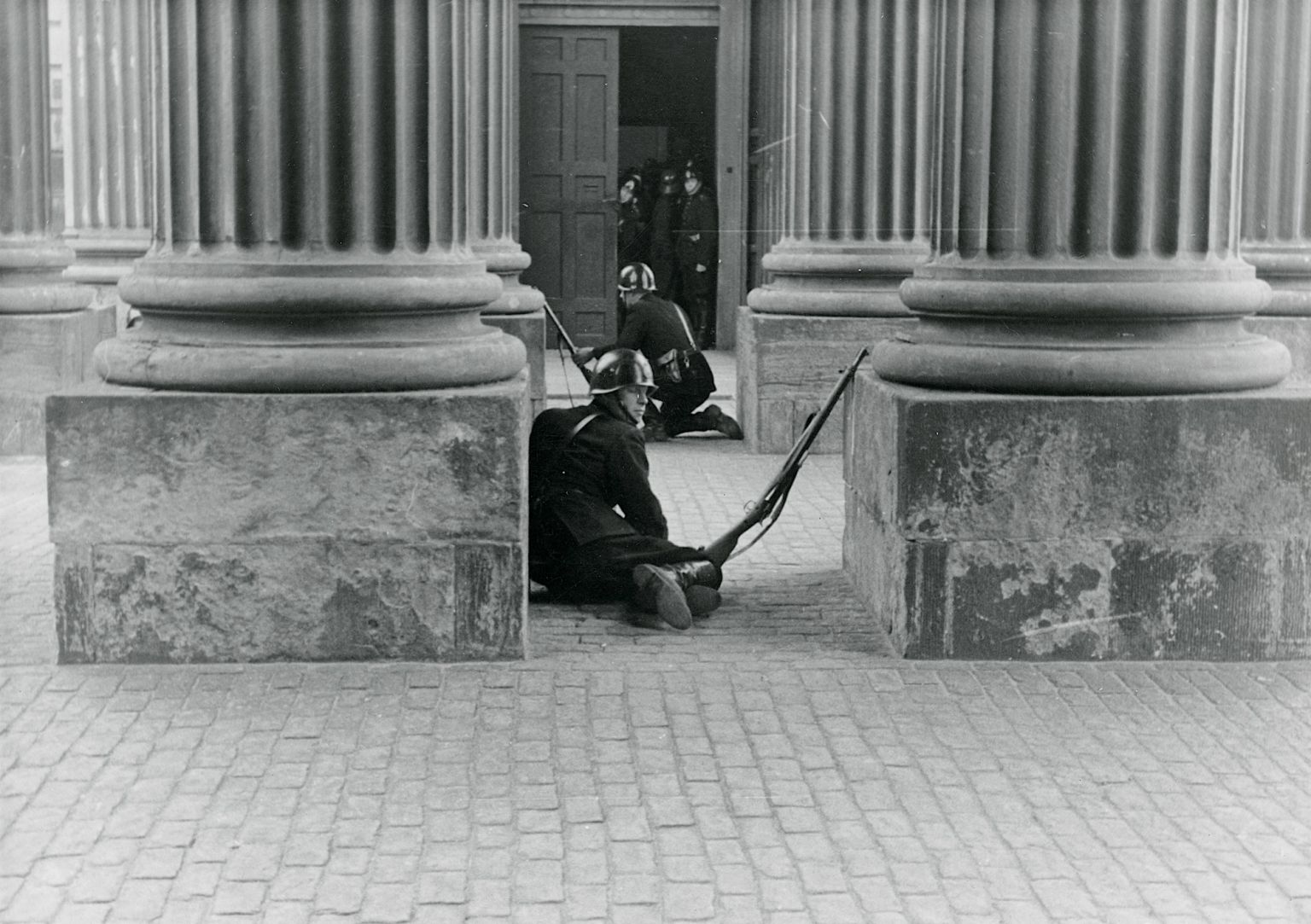
Stick to your guns
Danish police officers at Amalienborg Palace fighting German soldiers on 19 September, 1944. The special unit protecting the royal family opened fire on a group of German soldiers, believing that the Germans were going to intern them like the regular police. The fighting lasted two and a half hours. Nine German soldiers were killed and three Danish policemen were wounded due to a misunderstanding.
2. The last journey
Ernst Platzko died in the Sachsenhausen concentration camp on 16 October, 1942. By chance, he was on a business trip in Denmark in April 1940 when Denmark was occupied by Germany, so he could not leave the country. Ernst Platzko was Jewish, and in August of that year he was arrested by the Danish police and deported to Sachsenhausen, where he died two years later. The stumbling block is located in front of the boarding house in Bredgade where he stayed.
3.
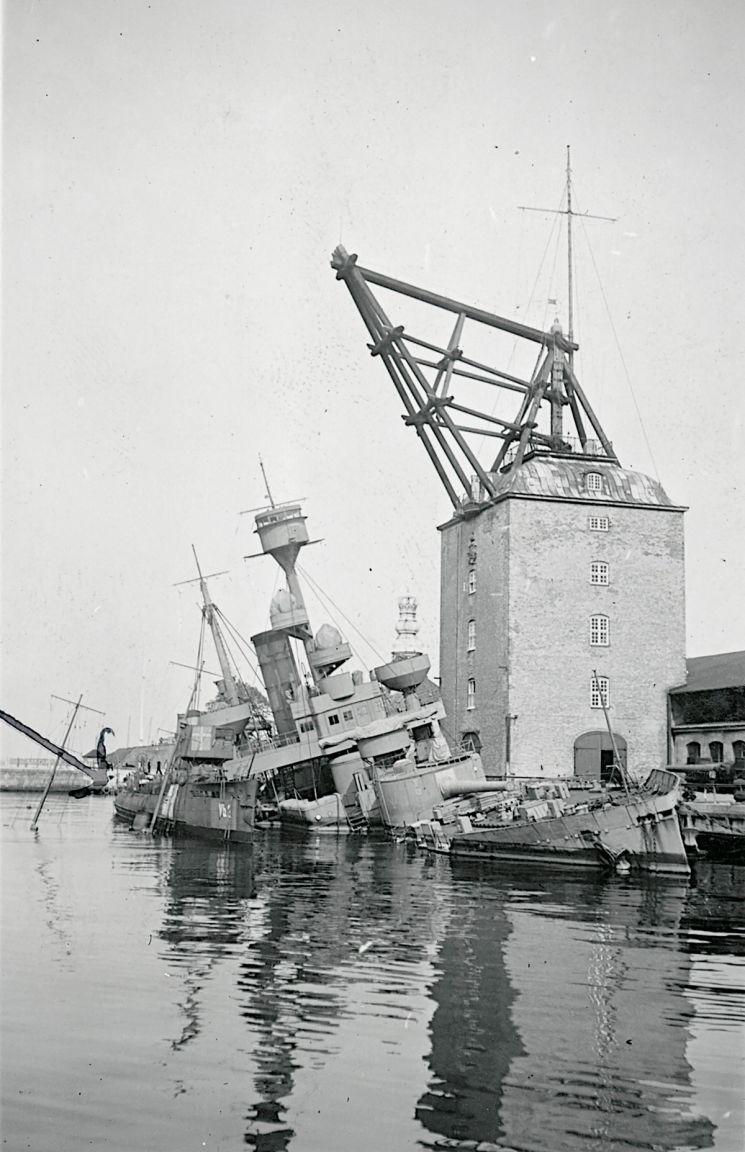
Scuttle the navy!
The German soldiers arrive just after 4 in the morning. It is 29 August, 1943, and until then the Danes have controlled the army and navy themselves, but the cooperation has broken down. Now the Germans want control of the navy. But the Danes know what is coming, and before the Germans can do anything, they scuttle most of the ships. A few even manage to escape to Sweden.
Go on a city walk
If you have any questions, please do not hesitate to write to us at [email protected] or call us on +45 41 20 60 80.
Aims
What will your students learn?
- To explain central development lines and events in the history of Denmark, Europe and the world.
- To reflect on the interaction between past, present and future, as well as on humans being simultaneously created by history and history-making.