Darkness Falls
- Target audience4th–6th grade
- Duration1 time
- SubjectDanish and history
- Maximum number of participants30 students
- Price700 DKK
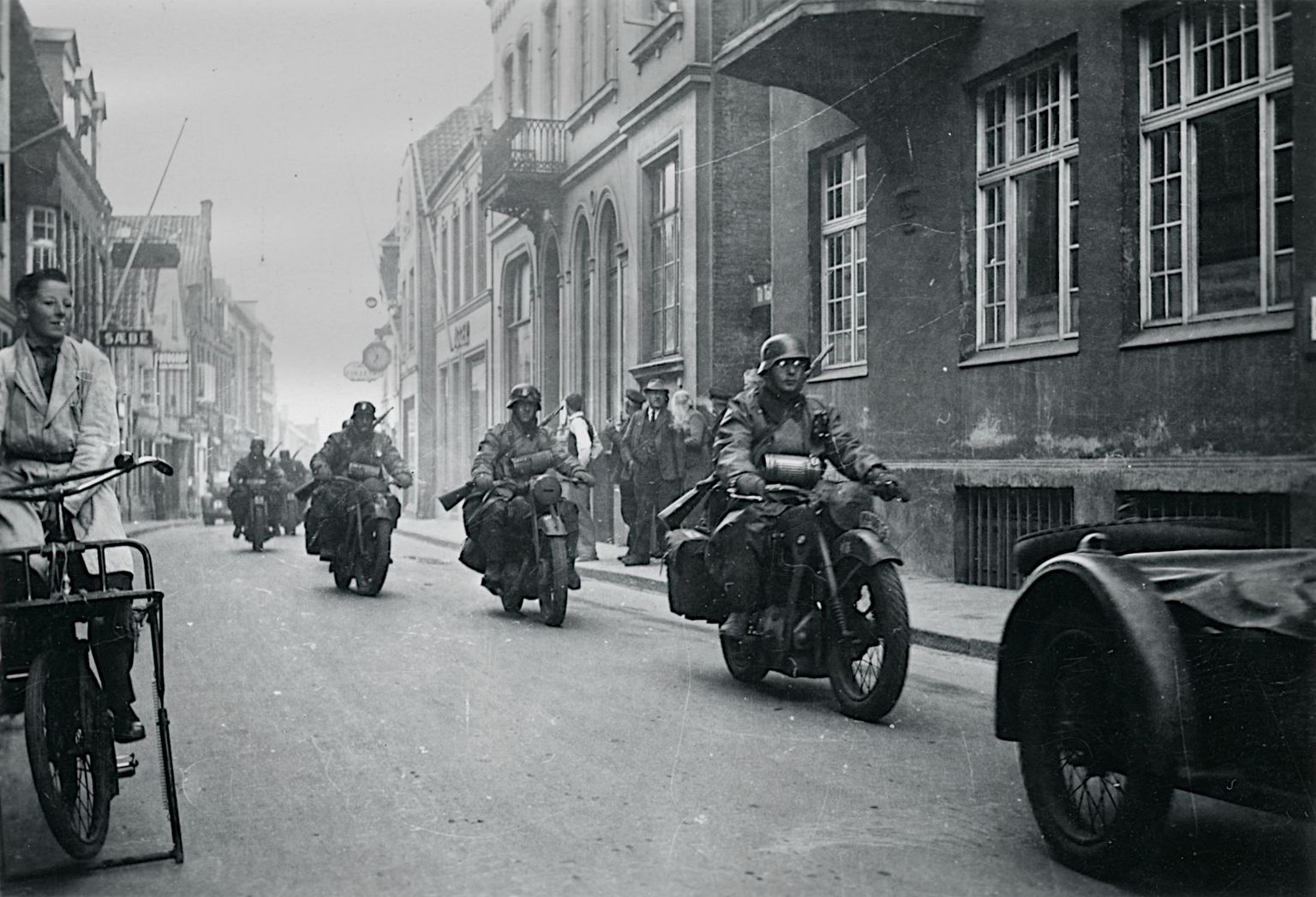
Take your class back to 9 April, 1940. Here, the students experience the occupation through the eyes of those who were their own age.
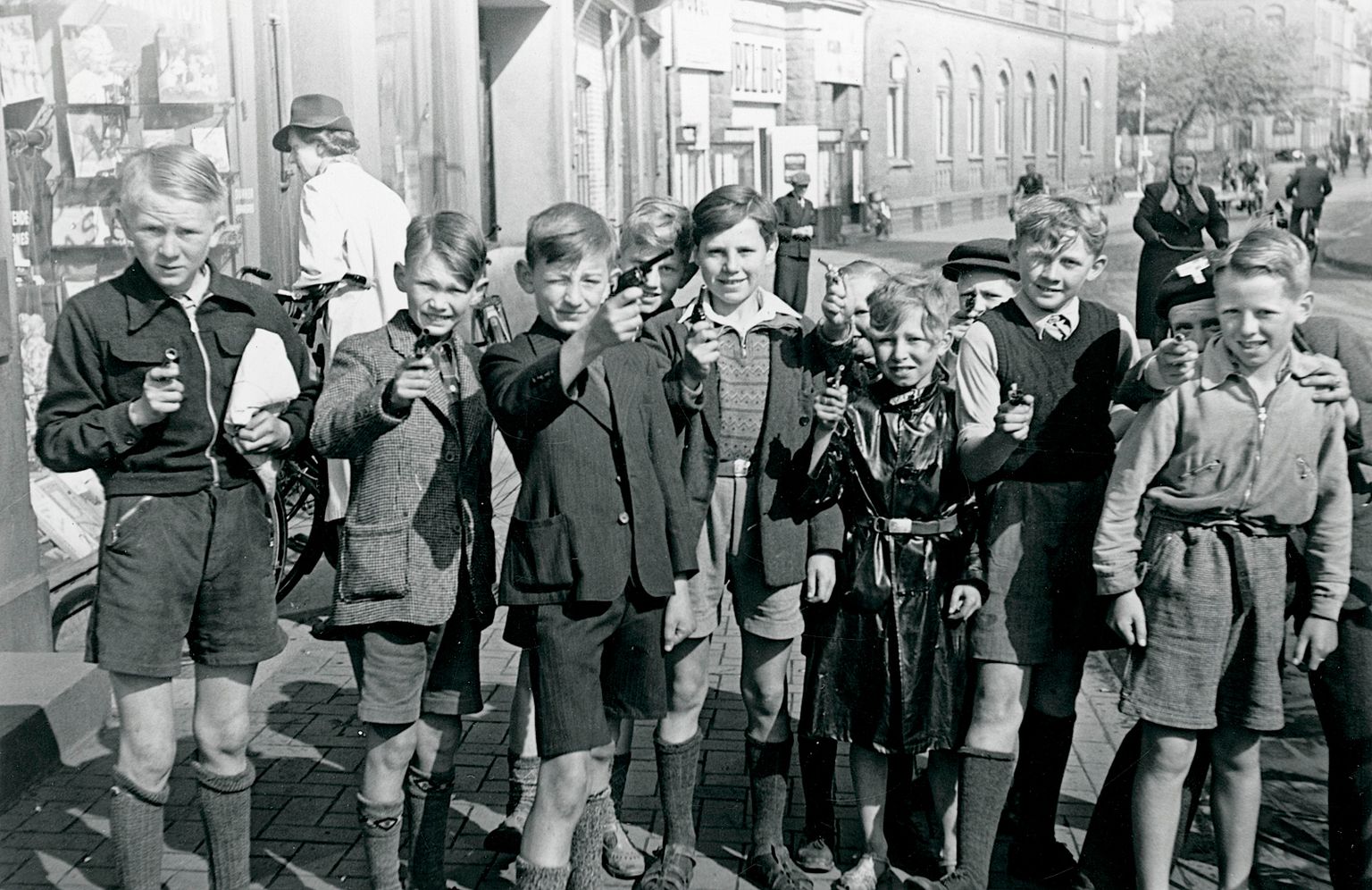
Based on children's own experiences during the occupation, the students explore what it means to live in an occupied country. Can you do anything?
1.
The first steps
One of the first signs of resistance against the German occupation was small, homemade stickers. Because the Germans did not pay as much attention to women and children, a pram was a good place to hide them when they needed to be transported.

2.
Courage has no age
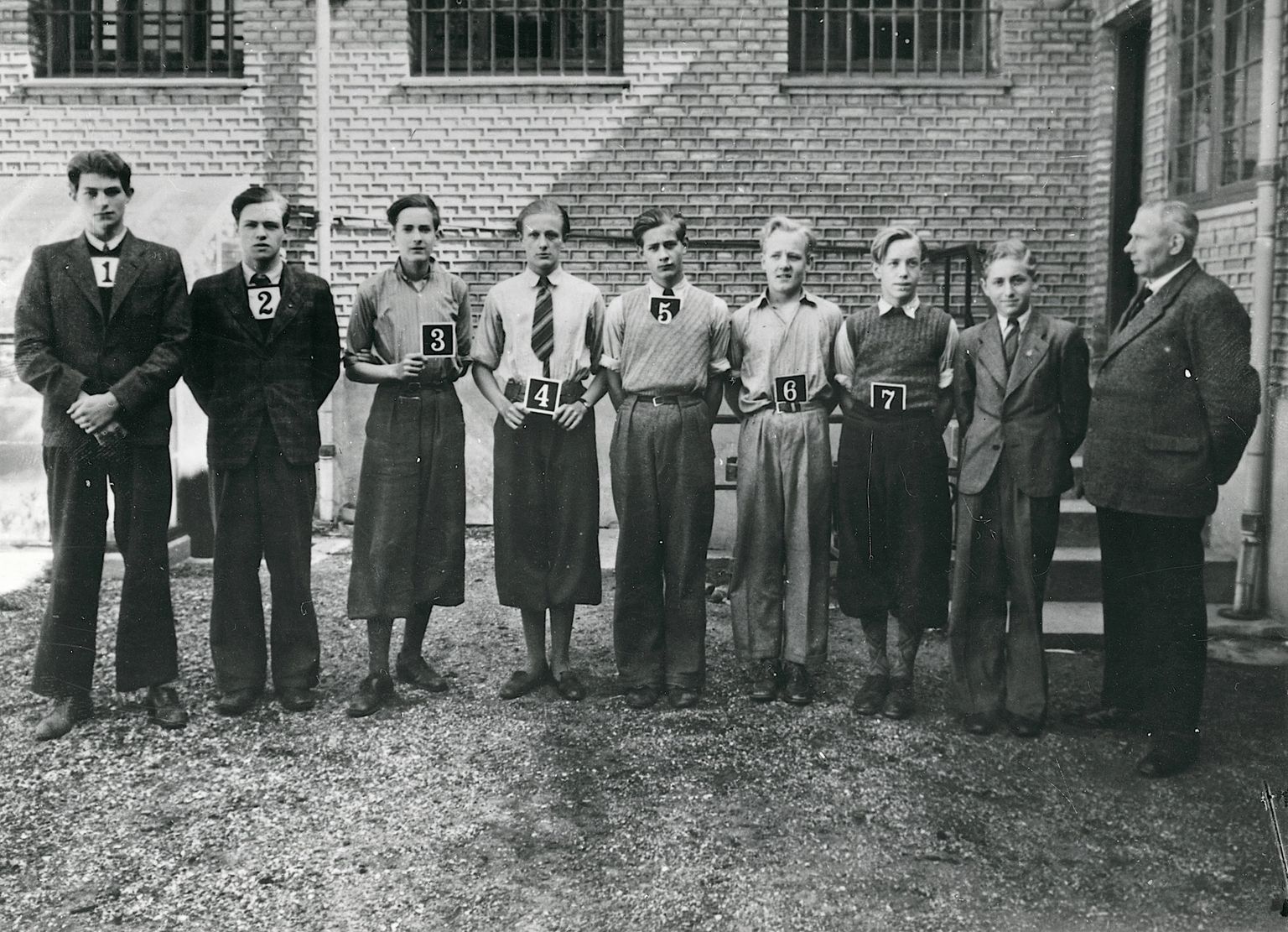
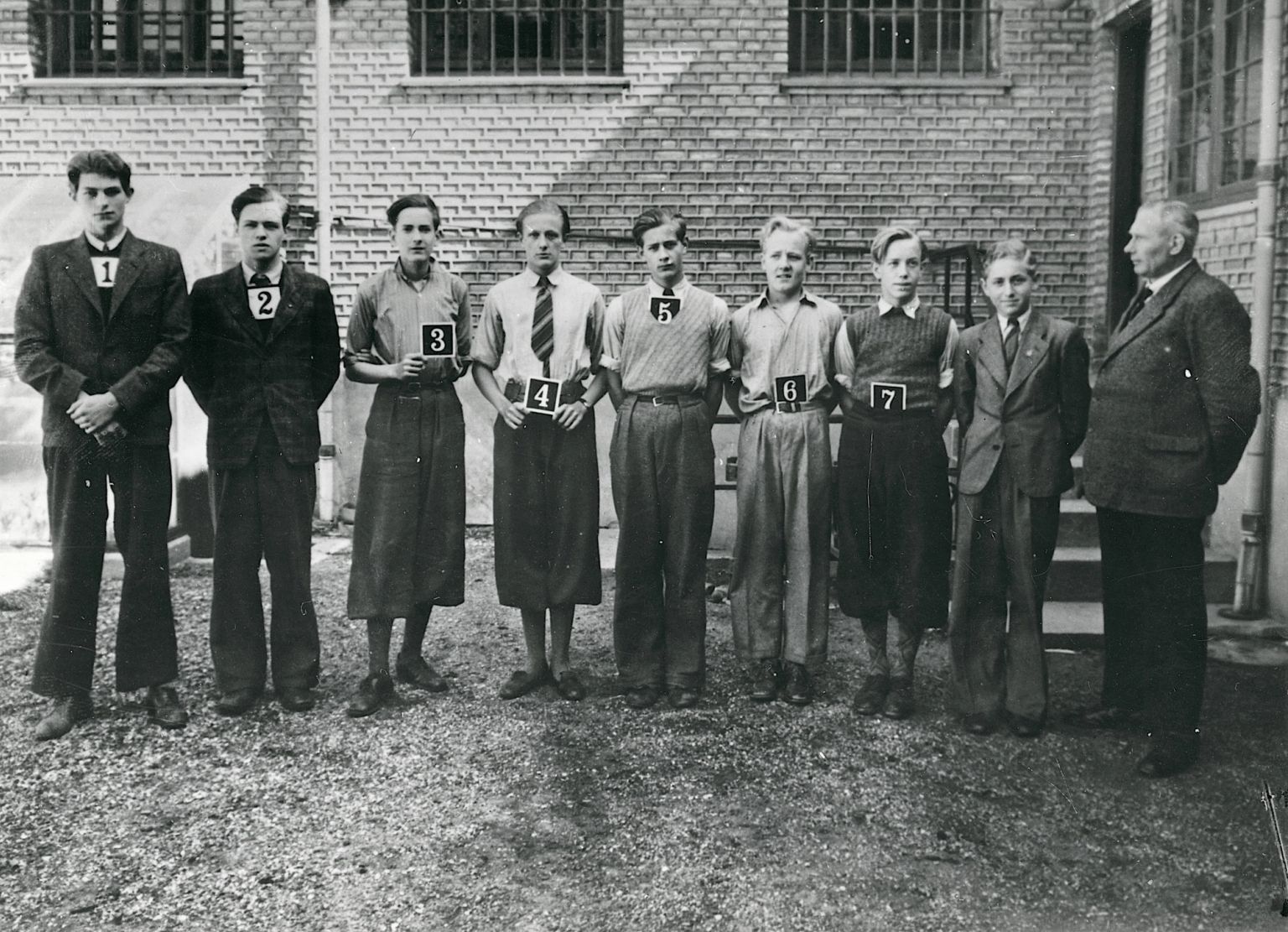
The Churchill Club consisted of eight boys between 14 and 17 years old and three young men between 20 and 26. They formed their own club to resist the Germans, as they felt the adults were not doing anything. They were one of the first real resistance groups. In 1942 they were caught and sentenced to up to 20 years in prison.
Darkness Falls
If you have any questions, please do not hesitate to write to us at [email protected] or call us on +45 41 20 60 80.
3.
Remember the cap
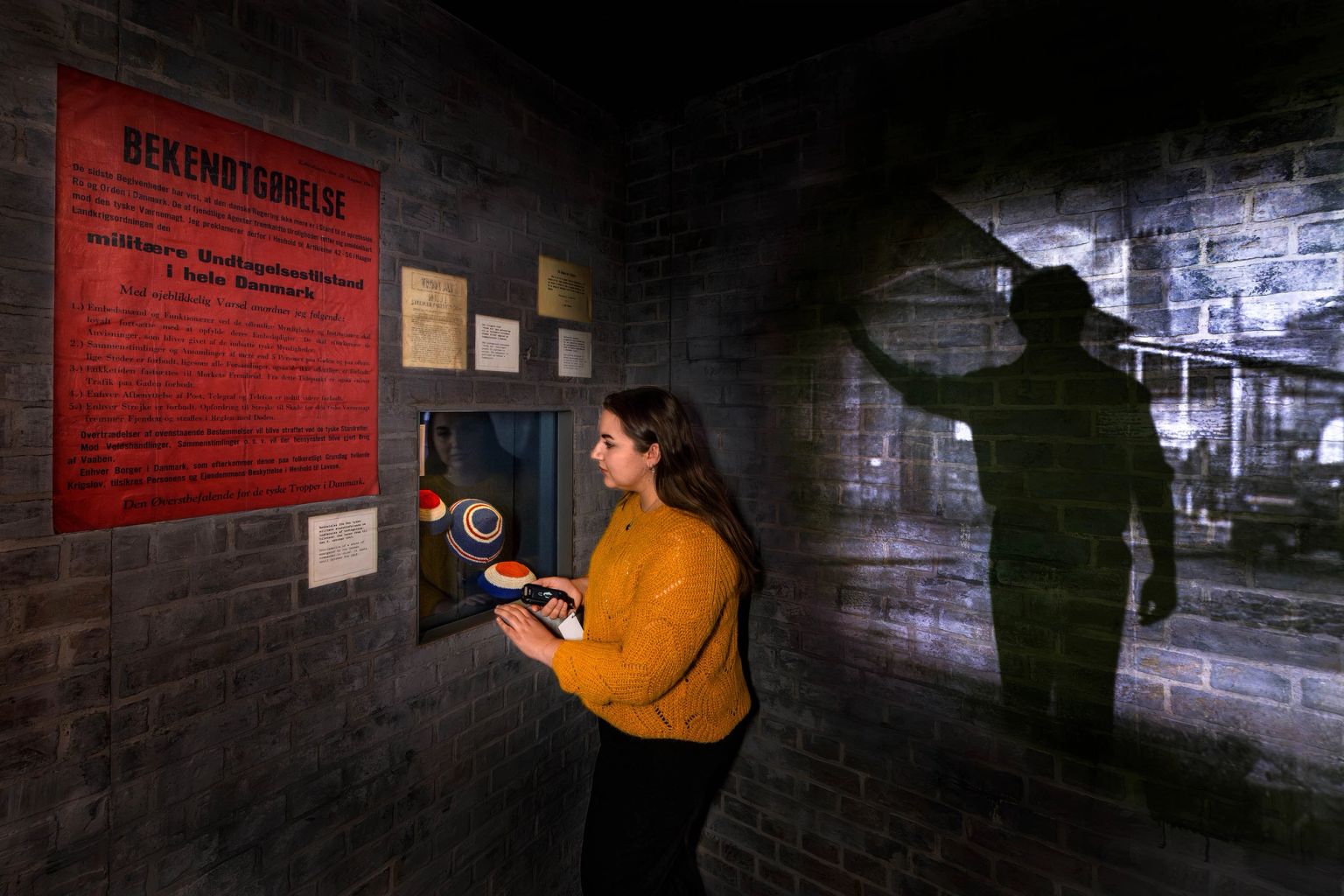
Resistance didn’t only have to be sabotage, theft and assassinations. It could also be about wearing certain clothes. Children in particular could show their resistance to the Germans by wearing a special cap. It was made by combining three colors – blue, white and red – which were used by the British air force. The Germans were provoked by people wearing the cap, and in July 1943 it was banned.
Aims
- The students gain insight into children’s living conditions during the occupation.
- The students gain insight into events during the occupation of Denmark.
- The students practice engaging in dialogue and listening actively to others, and following up with questions and responses.
Key points:
- The August Uprising in 1943