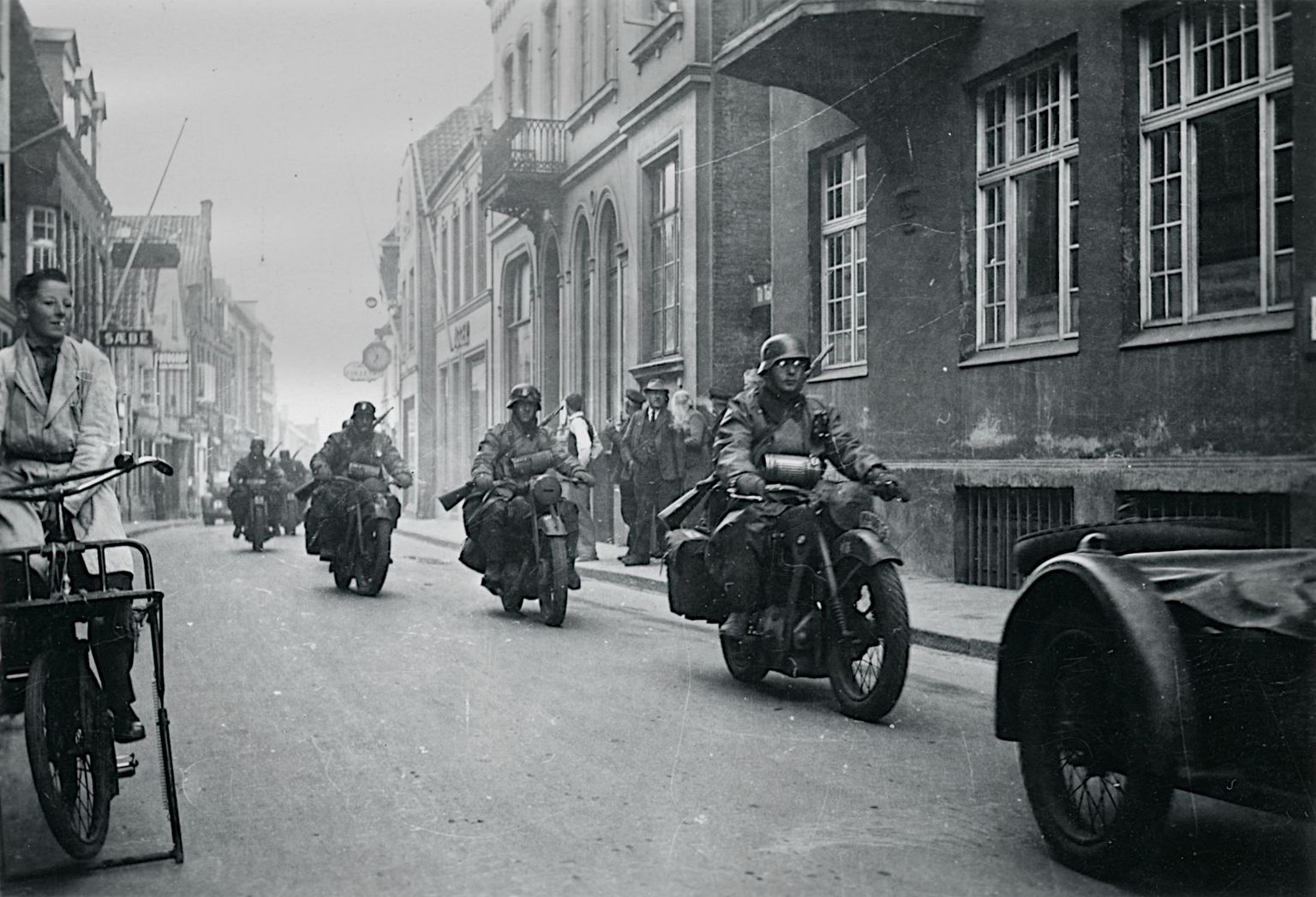
Resist?
- Target audience7th-10th grade and youth education programmes
- Duration1.5 hours
- SubjectsDanish and history
- Maximum number of participants30 students
- Price850 DKK
Take your class underground in occupied Denmark and give them a different and engaging introduction to World War II. The course puts students at the center of history and forces them to make a choice.
Through the encounter with historical objects and people, the students work in groups with the moral and personal dilemmas centered around the people they meet in the exhibition. Finally, the students present and discuss the dilemmas, and the occupation is put into perspective. We recommend that the class is divided into five groups from home, so that you can take into account class composition and group dynamics. If the class is not divided, our teacher will do so.
1.
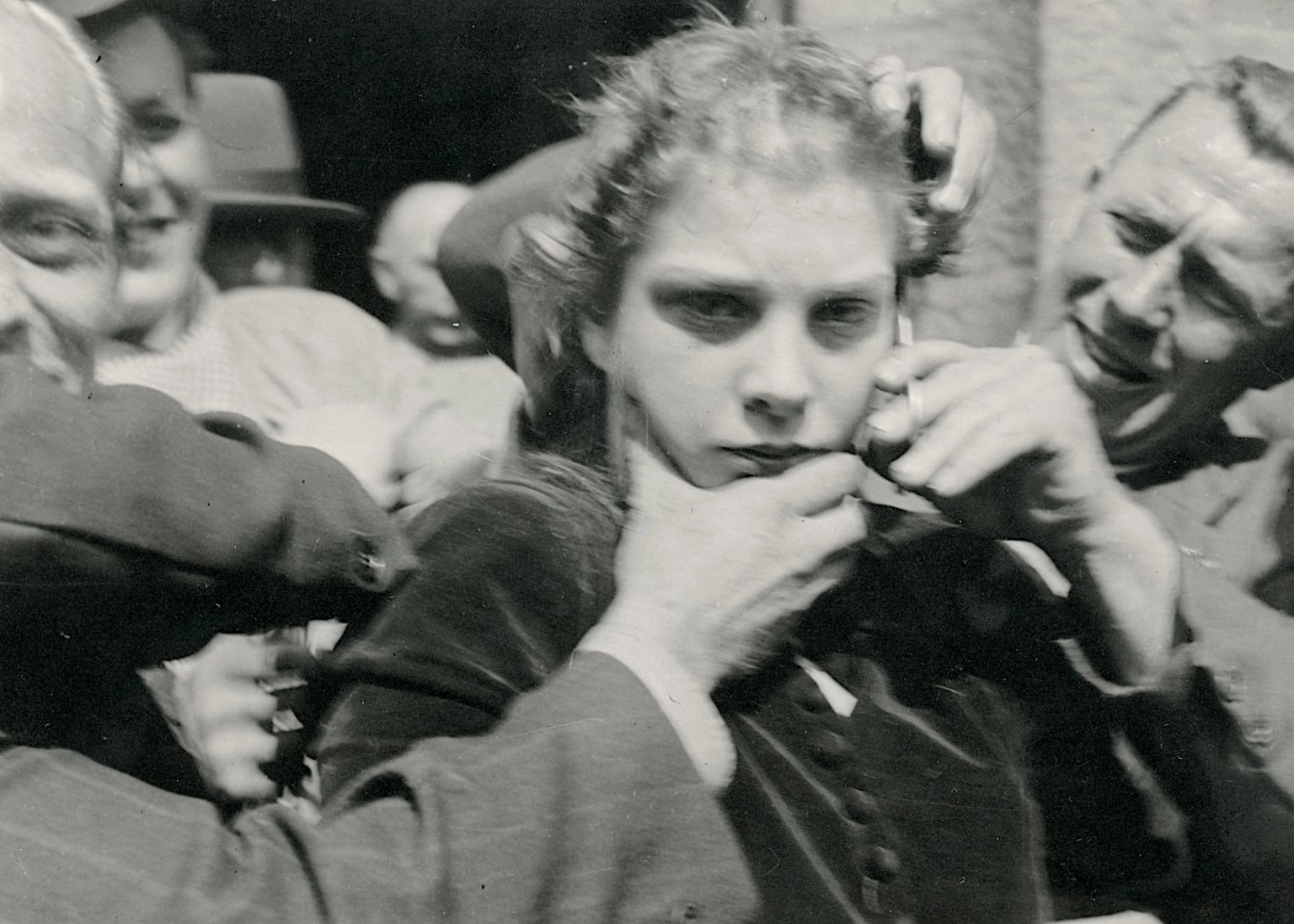
All's fair In love and war?
During and after the war, the Danes took revenge on women who had been lovers of German soldiers. The women har their hair cut and were publicly humiliated. Is it okay to be fraternize with the enemy? And is it okay to be punished for it afterwards, when it was not illegal?
2.
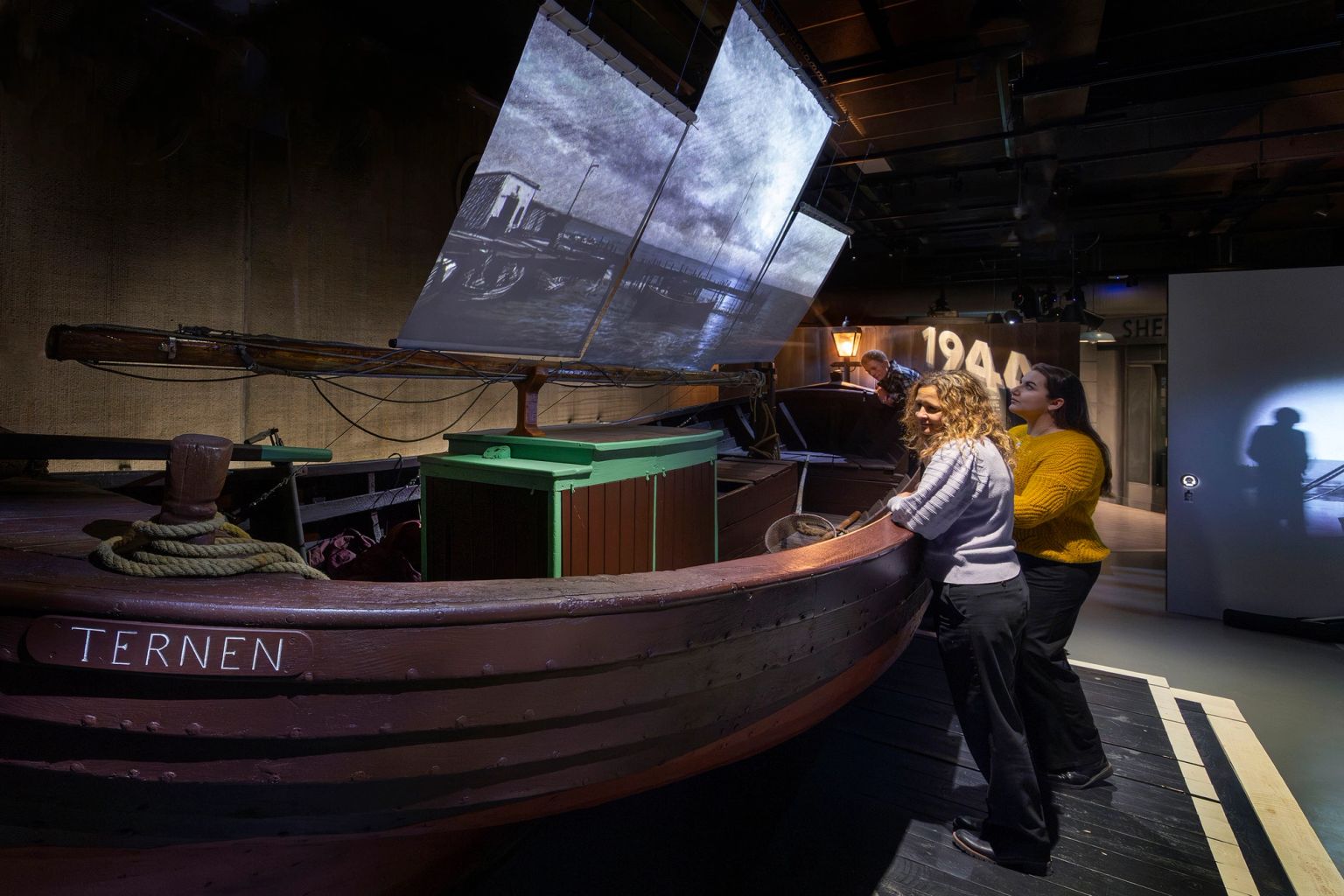
What's your life worth?
Most Jews in Denmark were sailed to safety in Sweden in October 1943. But not everyone helped the Jews for free. Some charged the refugees very high prices to sail to Sweden. Was that okay?
Resist?
If you have any questions, please do not hesitate to write to us at [email protected] or call us on +45 41 20 60 80.
3. Am I allowed to kill?
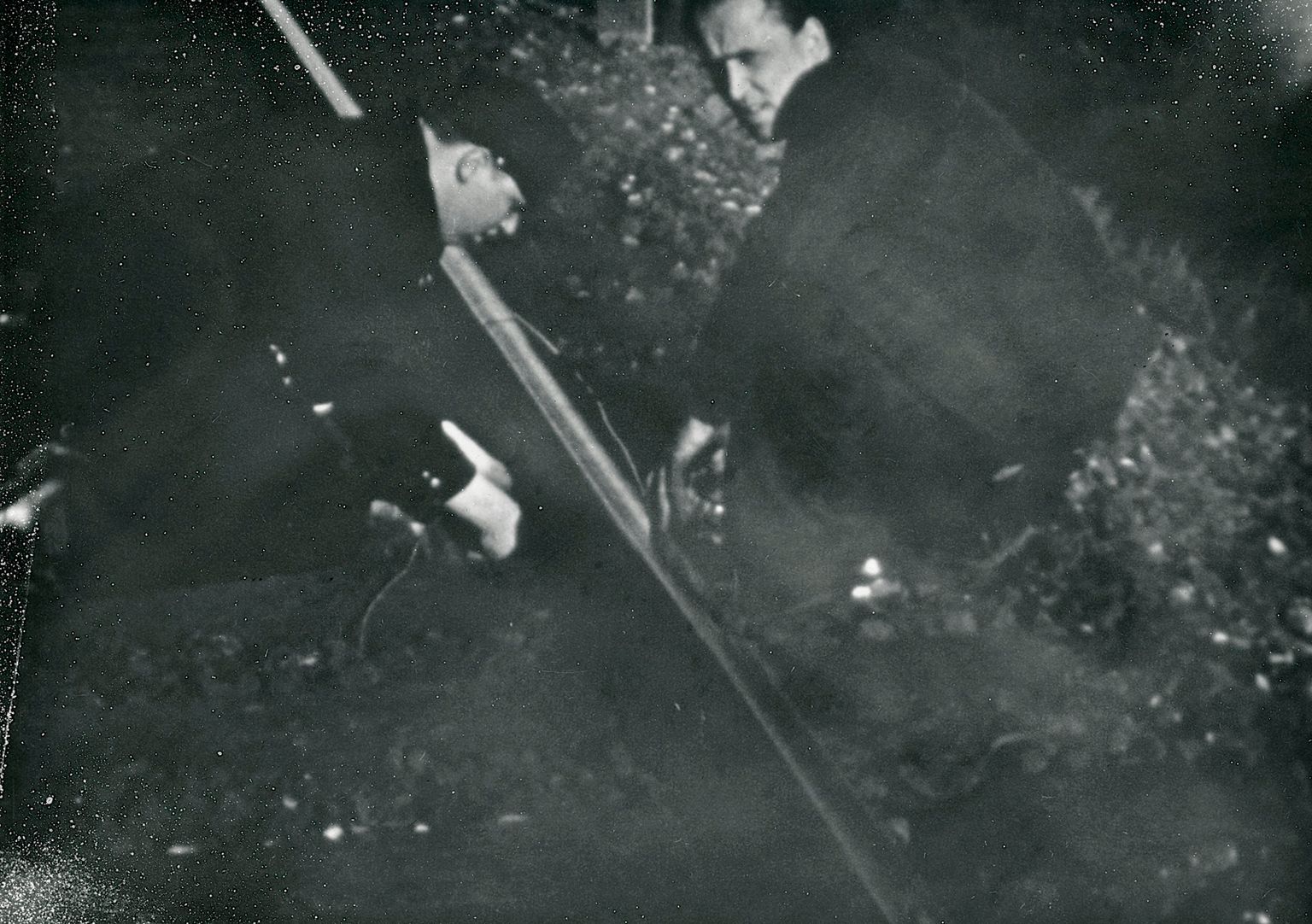
At the beginning of the occupation, the government called for restraint and cooperation with the Germans, but not everyone listened. Some resisted. As time went on, more and more people turned against the occupiers, and it became more and more violent. Theft, sabotage and executions of suspected traitors became part of everyday life. Was that okay when the government called for cooperation?
Aims
What will your students learn?
Primary education
- The student can use the exhibition's objects, films and texts to research and communicate collected knowledge about the occupation of Denmark.
- The student can discuss the consequences of the choices made during the occupation.
- The student can discuss why the perception of the occupation has changed over time.
Key points:
- The August Uprising and the The Resuce of the Danish Jews in 1943
Secondary education
- To reflect on the interaction between past, present and future and on humans as created by history and creating history.
- To formulate historical issues and relate these to the students' own time.
- To analyze, interpret and put into perspective fictional and non-fictional texts in all media.