
Go underground
Private tour
31 Dec 2025—30 Dec 2026
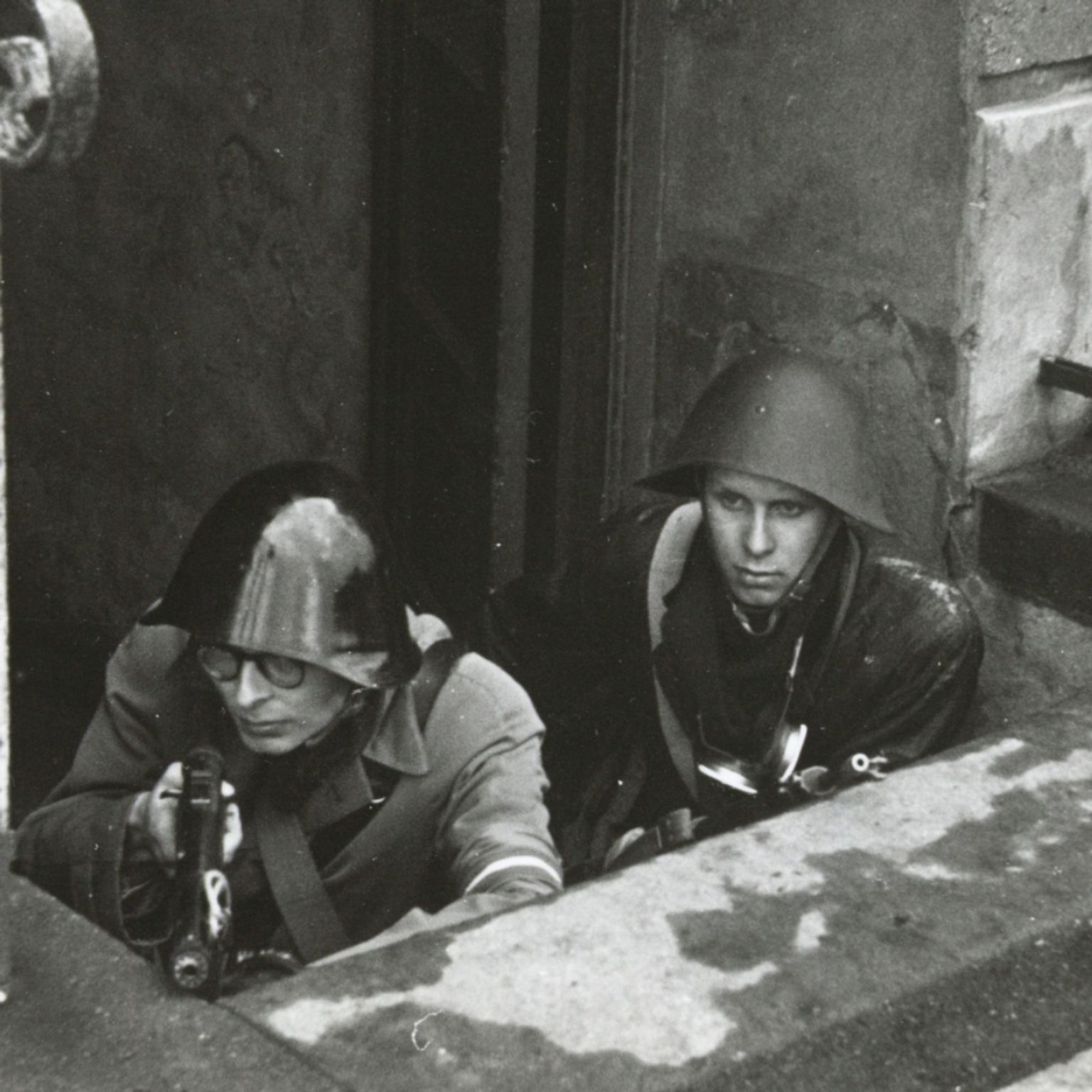
What would you have done? Step into Denmark during the occupation and meet the people who had to choose a side.
On 9 April 1940, Denmark wakes up to a new reality: German troops have occupied the country. In just one hour, our guides lead you through five dramatic years of occupation – from the initial shock to the joy of liberation. You get close to the resistance fighters, the collaborationist politicians, and those who chose the German side, and you come to understand what was at stake for each individual.
Practical information
Meeting place: The museum shop on the ground floor
Duration: 1 hour
Number: Maximum 20 people plus the guide
Prices:
- During regular opening hours: DKK 1,100 plus admission.
- Outside normal opening hours: Contact us for a price.
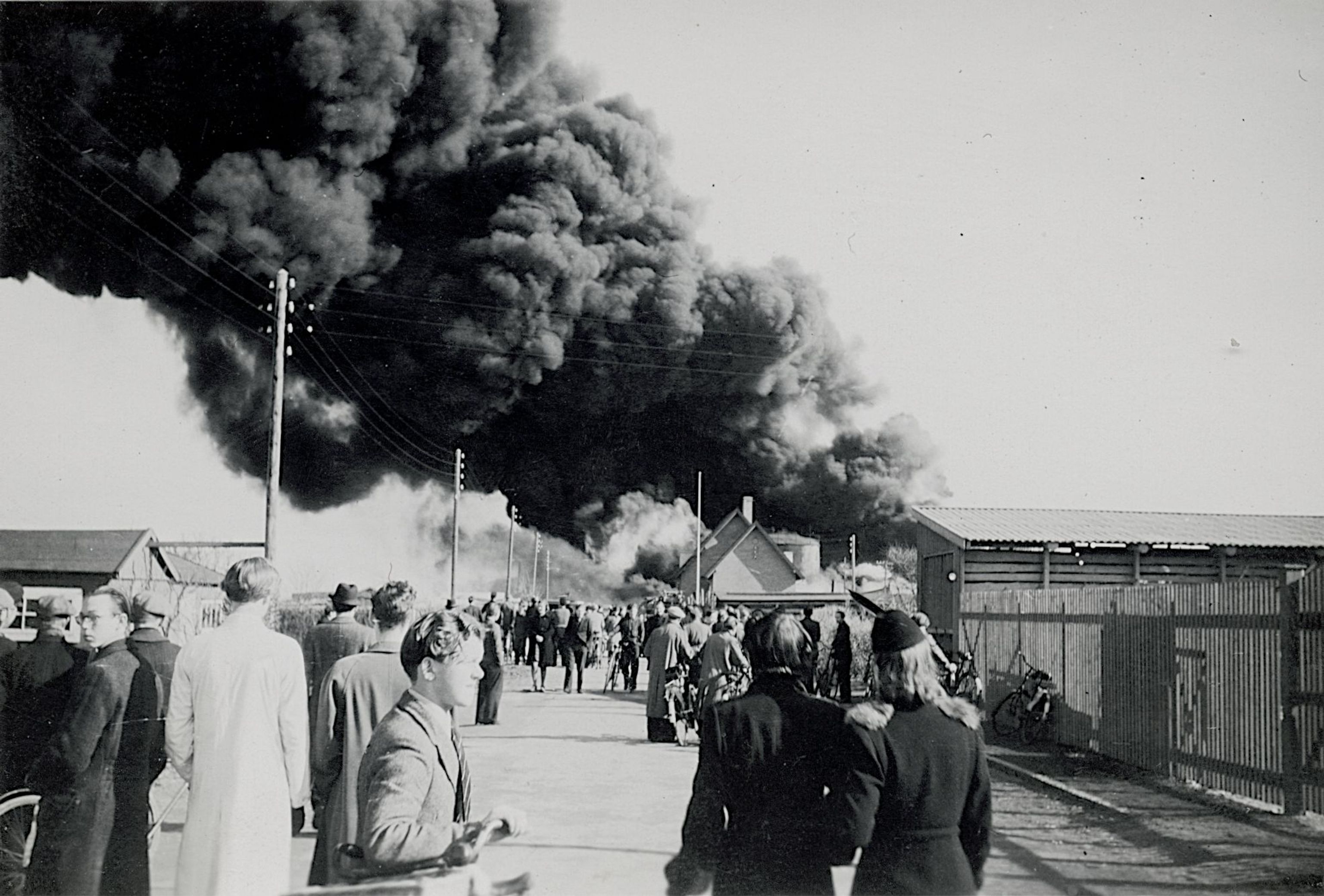
Cooperation or combat?
The difficult choices
The occupation forced all Danes to take a stand: Continue life as normal, collaborate with the occupying power, or resist and risk everything? On the tour, you get up close to acts of sabotage, illegal networks, and the Danes who risked their lives to help others, but also to those who voluntarily fought on the Eastern Front for Nazi Germany. The choices were many and varied. What would you have done?
1.
The political choice
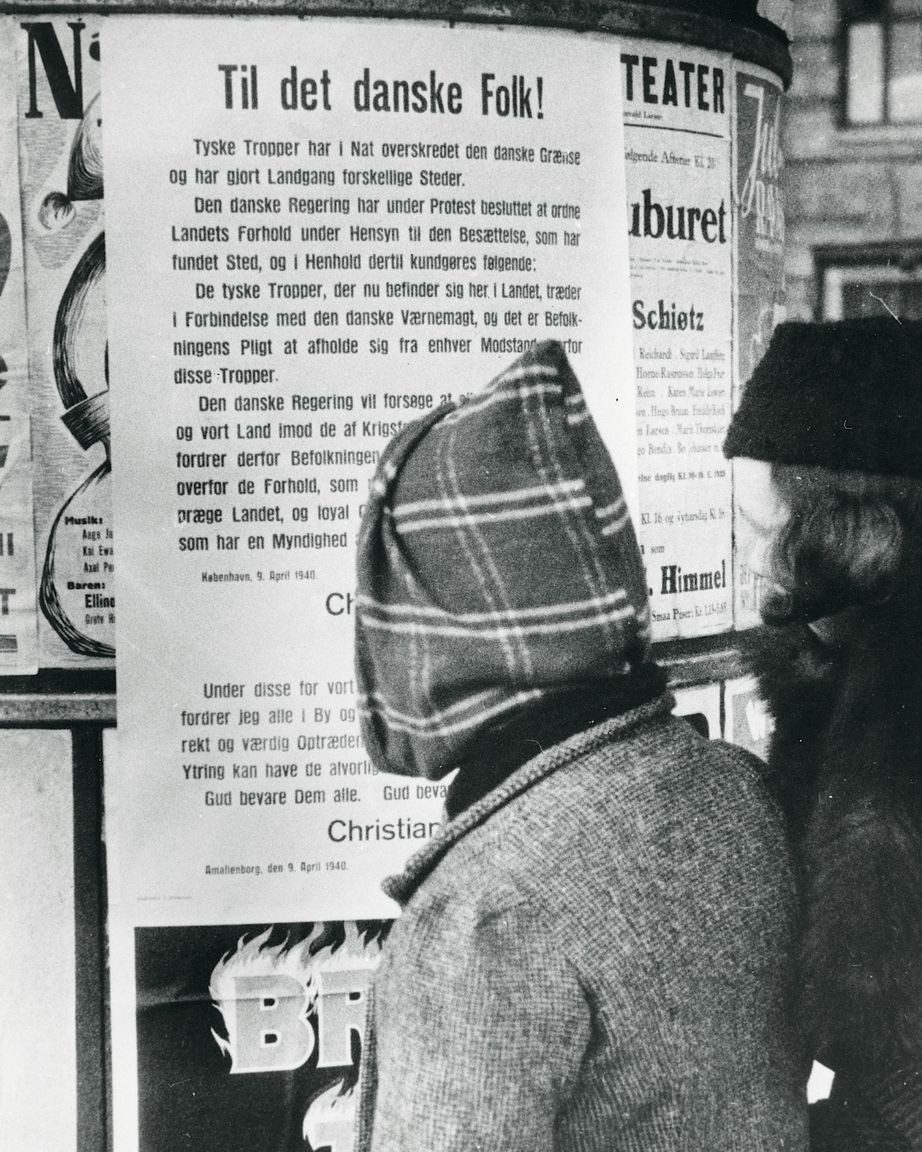
When German bombers fly over Copenhagen on 9 April 1940, the politicians have to make a crucial choice: surrender or fight? The decision to cooperate with the German occupying power is made within a few hours. But what led to that decision? And how was it viewed at the time? That’s what we delve into on the guided tour.
2.
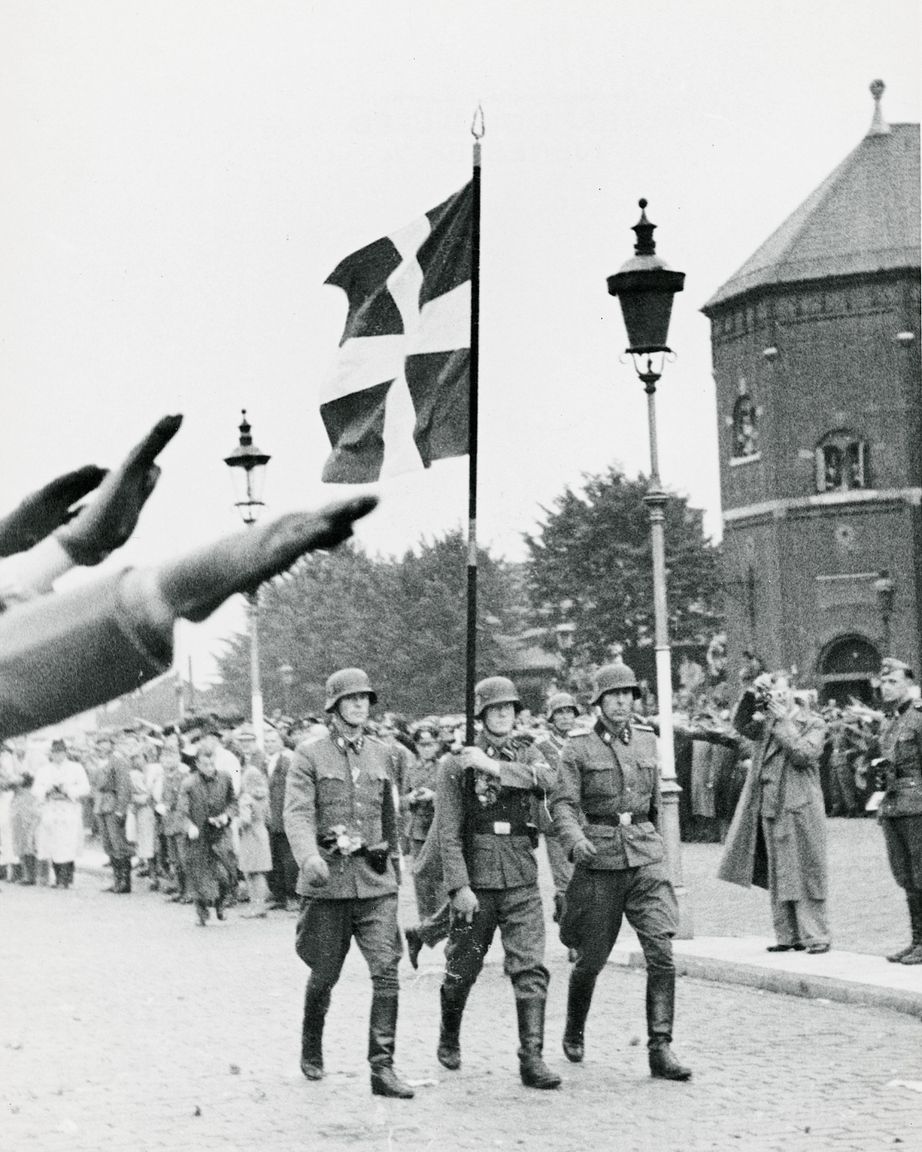
The German choice
Around 12,000 Danes sign up to fight on the German side in the Waffen SS – but only about 6–7,000 of them are accepted due to strict physical and racial requirements. They take part in the fierce battles on the Eastern Front, where 2,000 Danes lose their lives. But why did some people make the radical choice to fight on the German side? That is what we examine on this guided tour.
3.
The Dangerous Choice
Opposing the occupying power can be a matter of life and death. It becomes especially dangerous after the policy of cooperation collapses in 1943 and the Germans step up their hunt for Danish resistance fighters. If they are caught, they risk torture and, in the worst case, death – a fate that befell the famous resistance fighter Flammen. See his coat on the tour.
Book tour
Send an email to [email protected] to book a private guided tour. Please note that private tours must be booked no later than 7 days in advance.