Join the city walking tour
Private tour
31 Dec 2025—30 Dec 2026
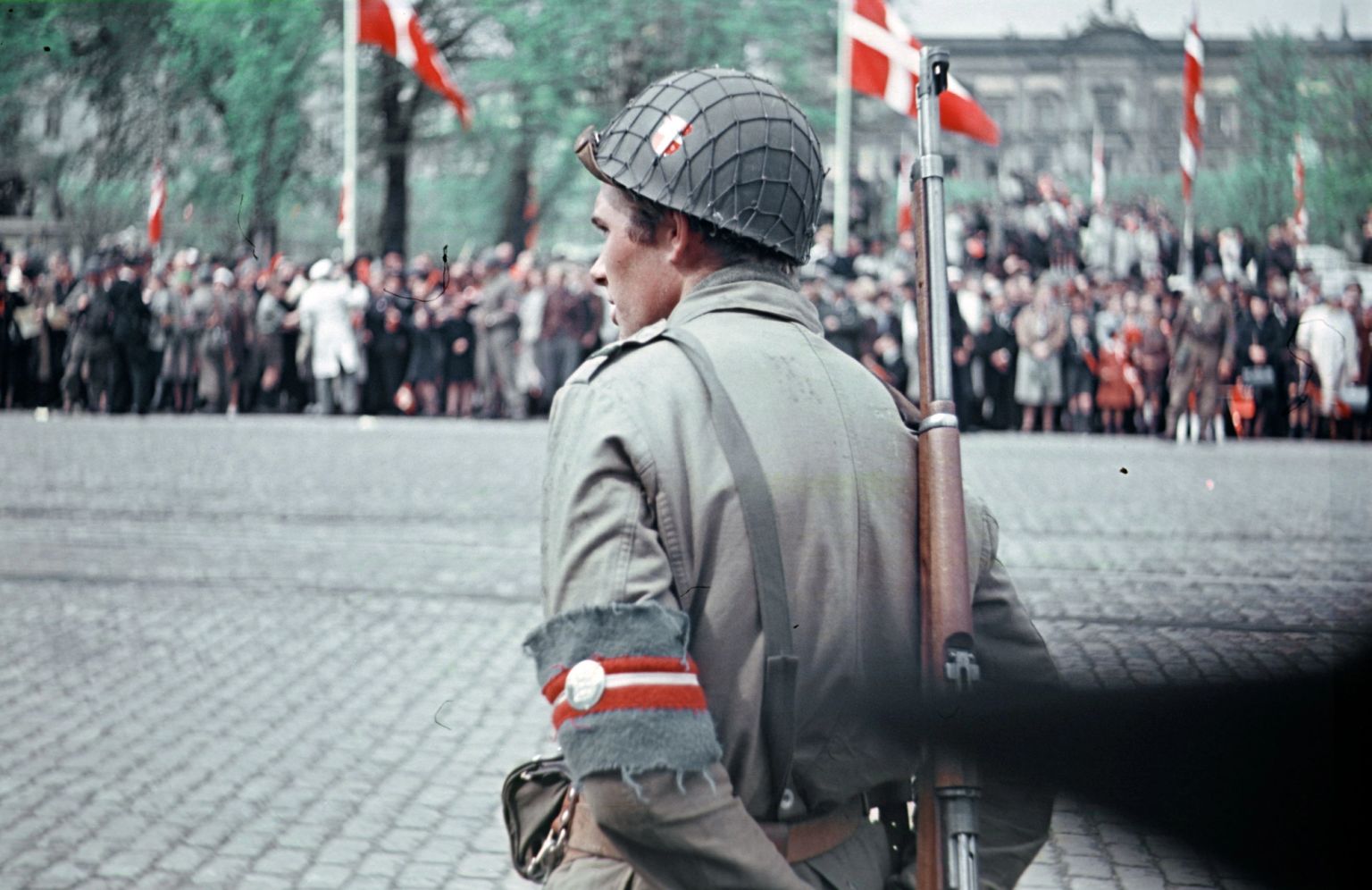
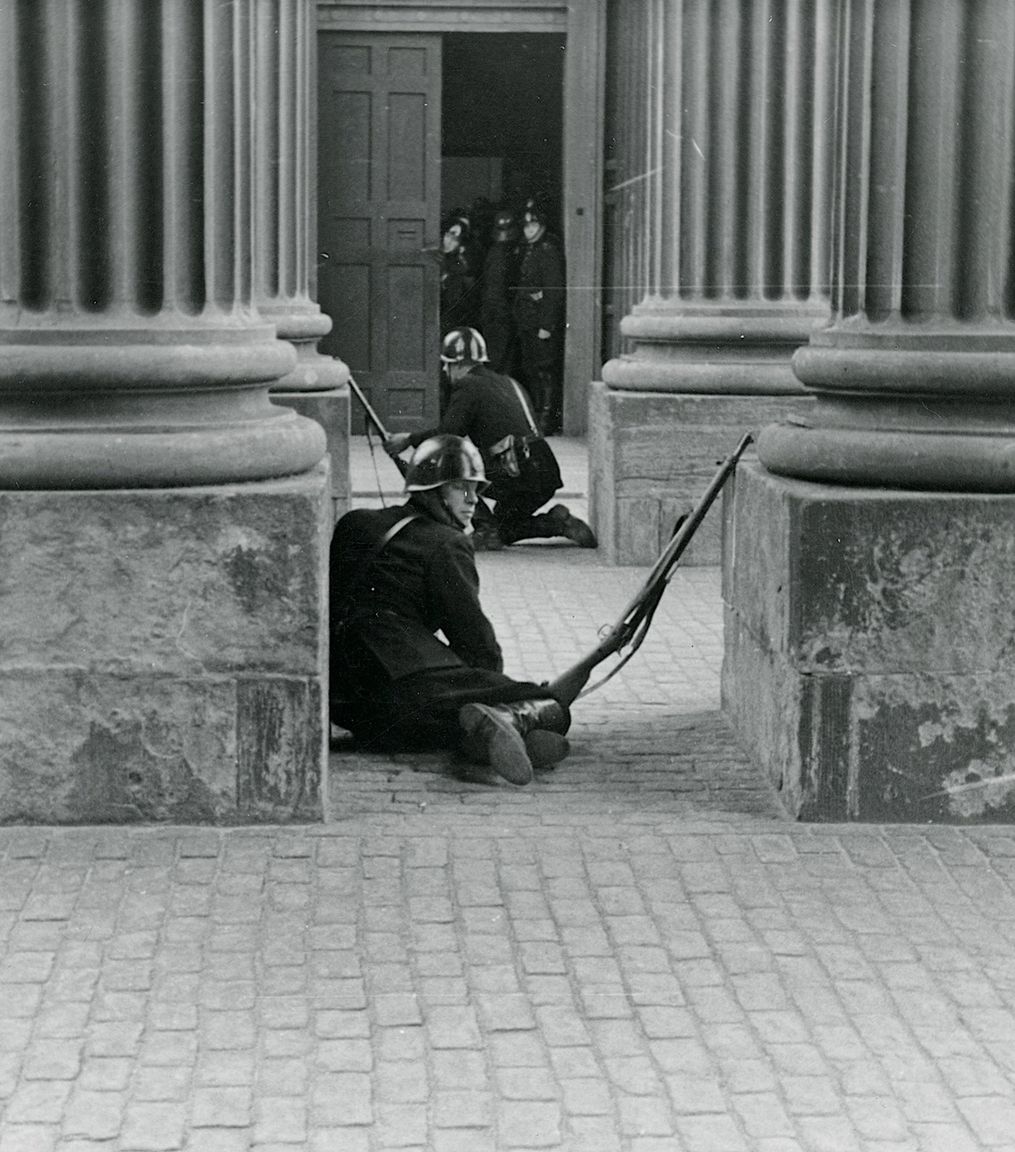
Go on a journey through time to Copenhagen during the occupation. You’ll hear dramatic stories and see the very places where they unfolded.
On this private city walk, we follow in the footsteps of Copenhageners of the 1940s, who lived under conditions that we still find hard to comprehend today. You will hear how events that took place back then can still be seen in the cityscape of the present. Join us on a journey back to shootouts, sabotage operations, and assassinations in broad daylight.
Practical information
Meeting place: The entrance to the Museum of Danish Resistance. The walking tour ends at the same place.
Duration: 1.5–2 hours
Length: Approximately 3.5 km
Number: Max 20 people plus the guide
Price: 2,050 DKK. Note: Admission to the museum is not included in the price and must be purchased separately.
Accessibility: The tour is not suitable for people with walking difficulties or wheelchair users.
See the traces
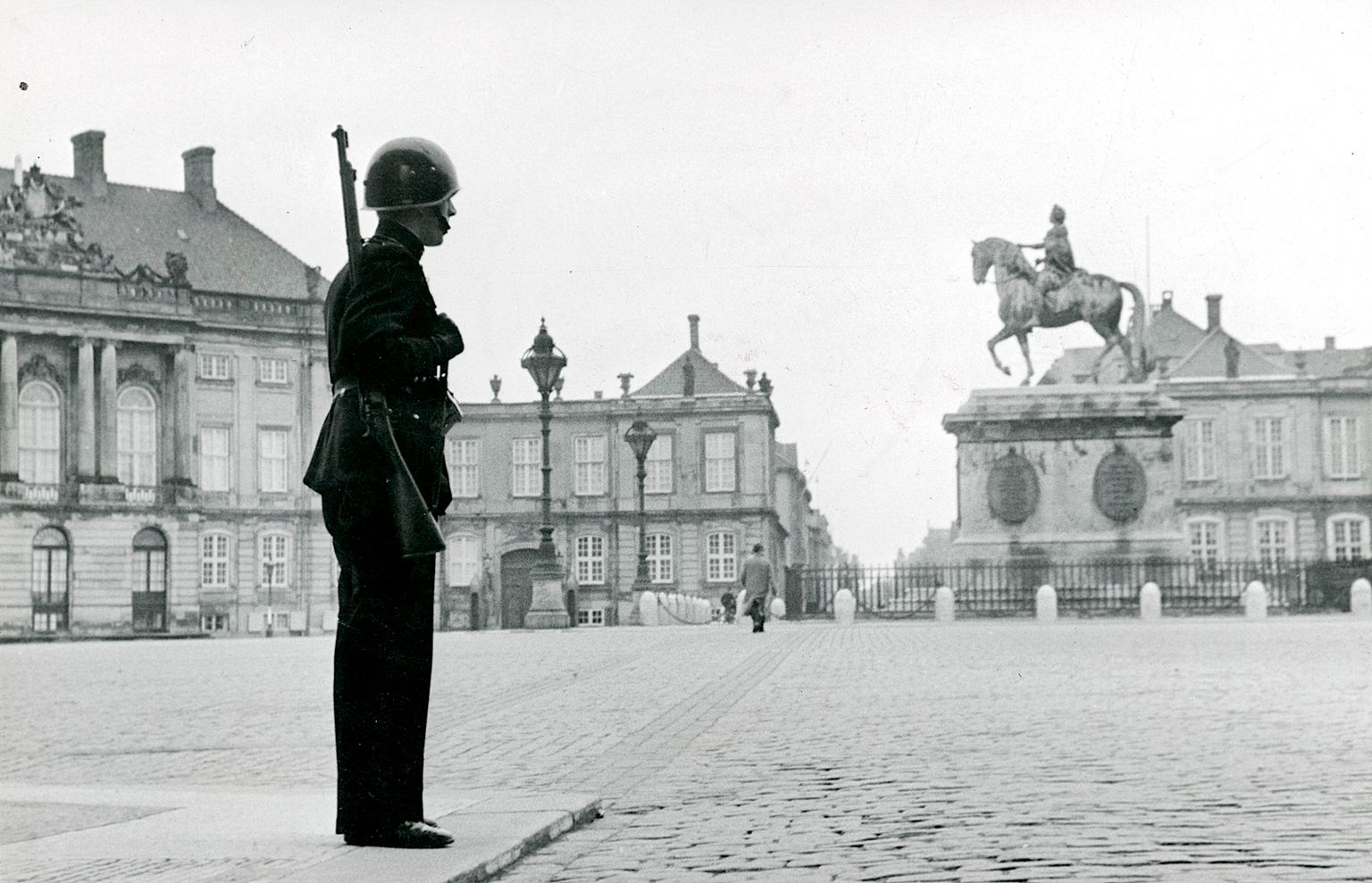
The traces of the occupation period are still visible everywhere. In the area around Amalienborg, buildings, busts, and even bullet holes bear witness to the turbulent time that the occupation was in Copenhagen. In grand squares, dark courtyards, and hidden in busy streets, we will bring to life the stories of the deported Jews, the illegal press, acts of sabotage, and the brutal German occupying force.
1.
Some of the stops of the city walk will be:
Last stop before death
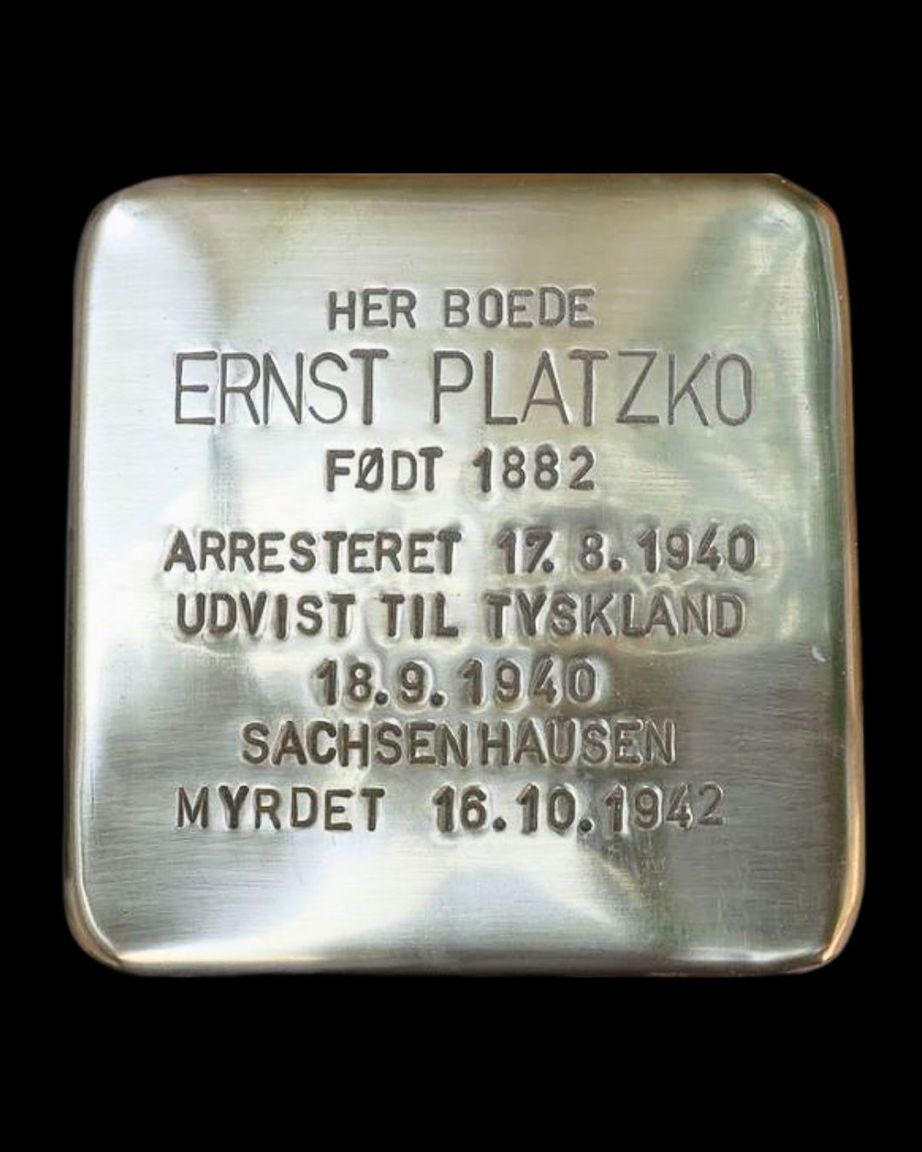
In Bredgade, there is a small brass plaque set into the pavement. It tells a tragic story about the Jewish businessman Ernst Platzko. He is on a business trip in Copenhagen when Denmark is occupied. Ernst is arrested and sent to a concentration camp, where he dies in 1942. The brass plaque is a so‑called stumbling stone, which is placed in front of the last known residence where the Nazis’ victims lived, in order to commemorate them. For Ernst, this was a boarding house at Bredgade 3.
2.
The snitch survives
The resistance fighter 'Flammen' is sitting in a white car by the restaurant Lumskebugten in Copenhagen. In his hand he has a pistol. He is ready. Suddenly, the policeman Max Pelving comes walking by. He is an informant for the occupying forces, and now he has to die. 'Flammen' rolls down the window and fires. But the informant does not die – because under his jacket he is wearing a bulletproof vest.
3.
Gunfire at the palace
On 19 September 1944, fierce fighting breaks out between German soldiers and Danish police officers at the palace Amalienborg. The Danish officers have heard rumors about the occupying power’s imminent action against the police and decide to resist. Eleven German marines are killed and several Danish officers are wounded. See the bullet holes from that dramatic day.