
Things We Don't Talk About
Private tour
31 Dec 2025—30 Dec 2026
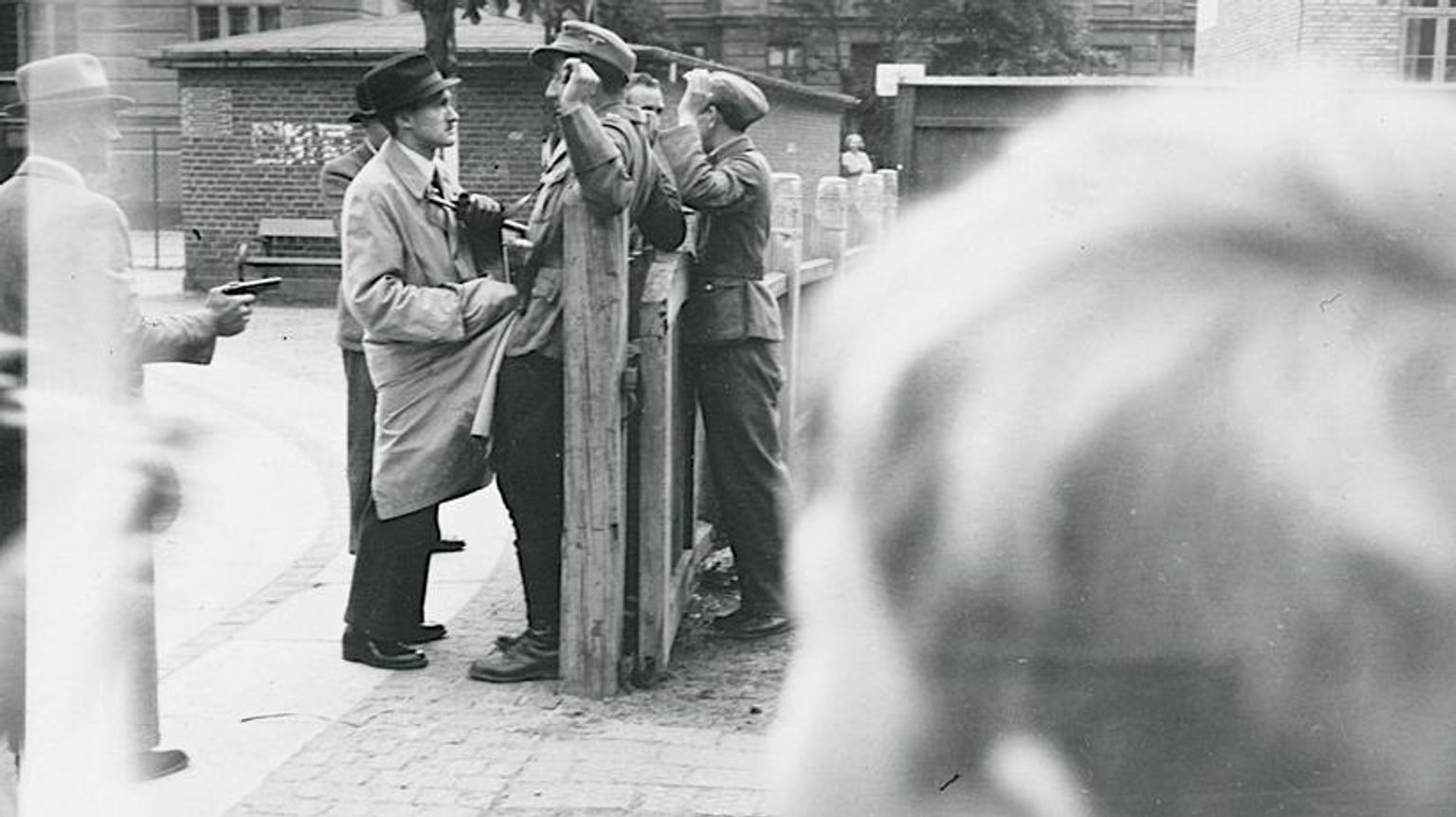
Gain a different perspective on the occupation period and the resistance movement.
In this tour, we take a closer look at some of the stories from the occupation that we don’t usually talk about and ask the question: “Was it really that simple?” Did the resistance movement actually have a clear moral record, and did the Danish government go too far? Follow us into the stories from the grey zone.
Practical information
Duration: 1 hour
Number: Max 20 people
Meeting place: The museum shop on the ground floor
Prices:
- During regular opening hours: DKK 1,100 plus admission.
- Outside normal opening hours: Contact us for a price.
Grey zones
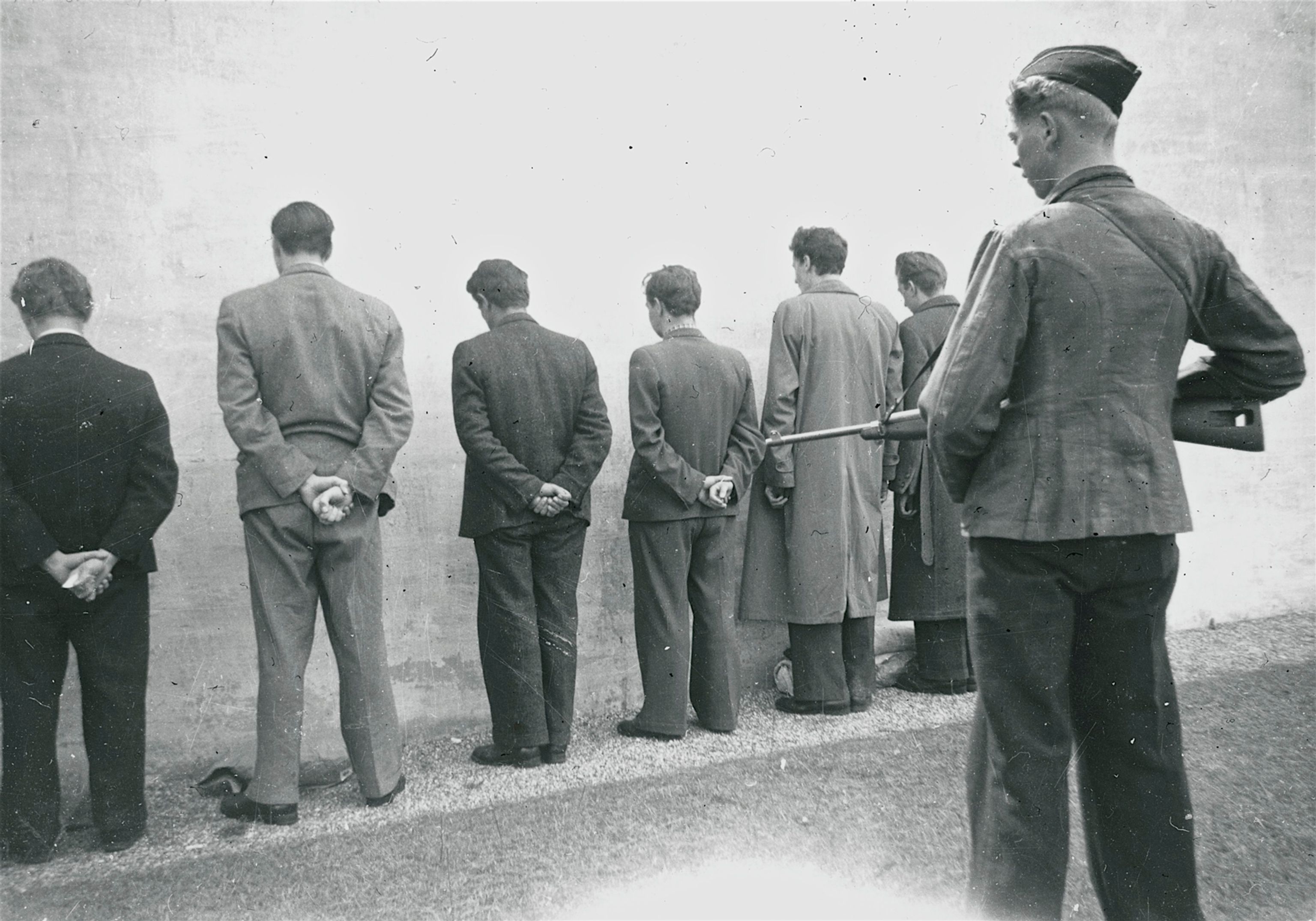
When we talk about the occupation of Denmark, the conversation often turns to the resistance movement: The Danes who defied the German occupying power in the fight for freedom and democracy. But the occupation was much more than that. Not all stories fit the often black-and-white narrative of resistance heroes and daring acts of sabotage. For example, when the resistance movement called for violence against Danish girls dating German men and acted as both judge and executioner when an informant was to be killed. Or when the Danish government on its own initiative chose to intern 170 communists and make their political views illegal. The grey zones are many.
1.
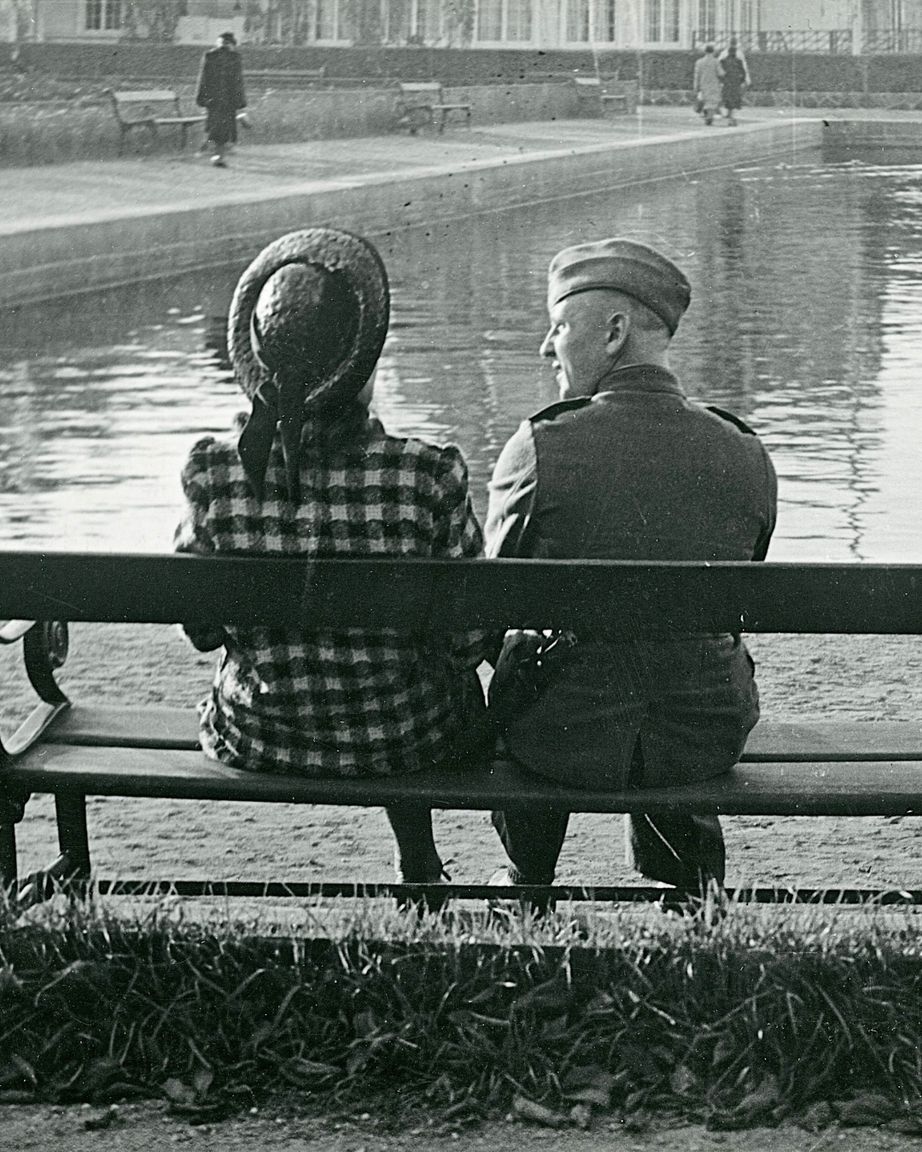
Is all fair in love and war?
Danish women who had relationships with German soldiers were ostracized by society. The women experienced everything from being beaten and having their hair cut off to social isolation if their relationships were discovered. On the guided tour we take a closer look at these women, their choices, and the way they were treated.
2.
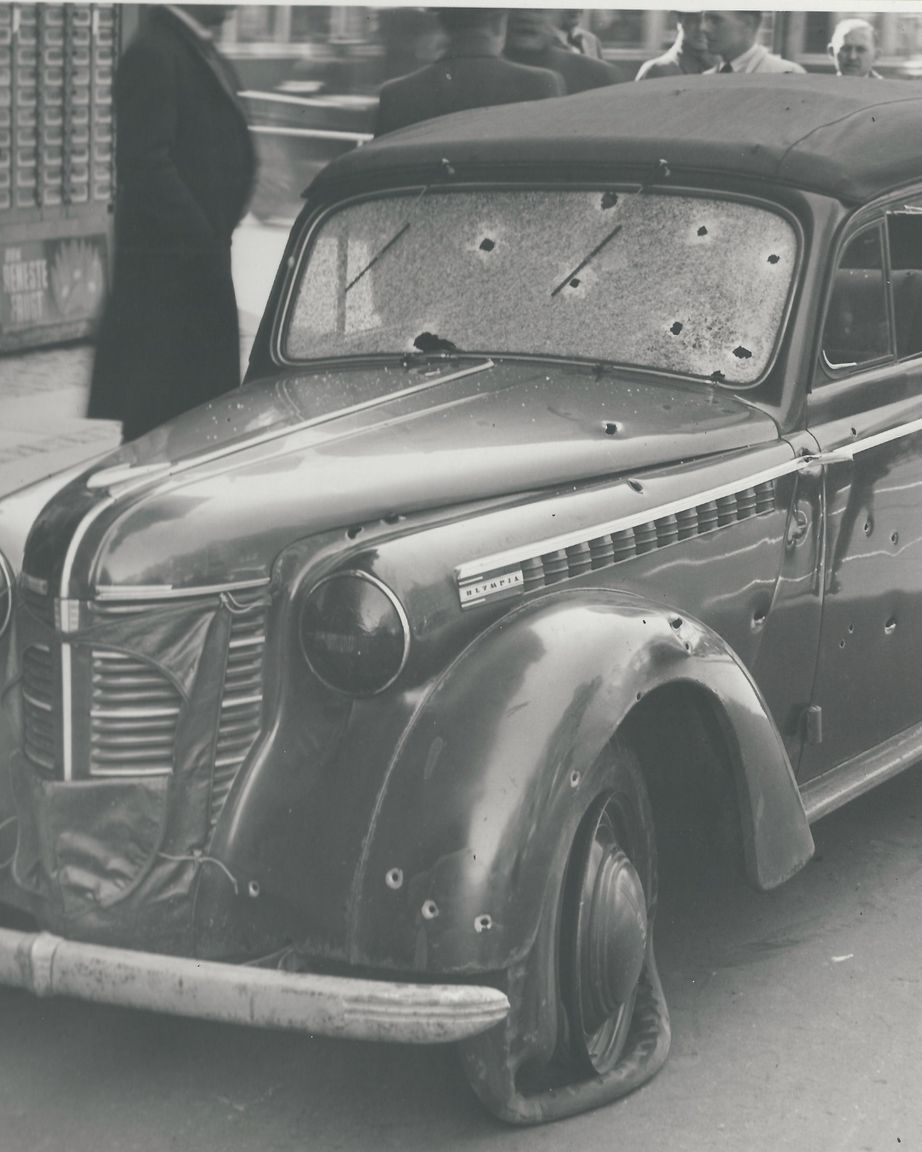
Both executioner and judge
Around 400 Danes were liquidated by the resistance movement during the occupation. Often, the resistance members who were to carry out the liquidation were simply given a note with a name – there was rarely solid evidence that the condemned person was actually an informer. But the Germans’ henchmen were extremely dangerous for the resistance fighters, so it could be very costly to let doubt benefit possible informers. Therefore, innocent people were without a doubt killed. But would you have dared to refrain?
Book tour
Send an email to [email protected] to book a private guided tour – please note that private tours must be booked no later than 7 days in advance.