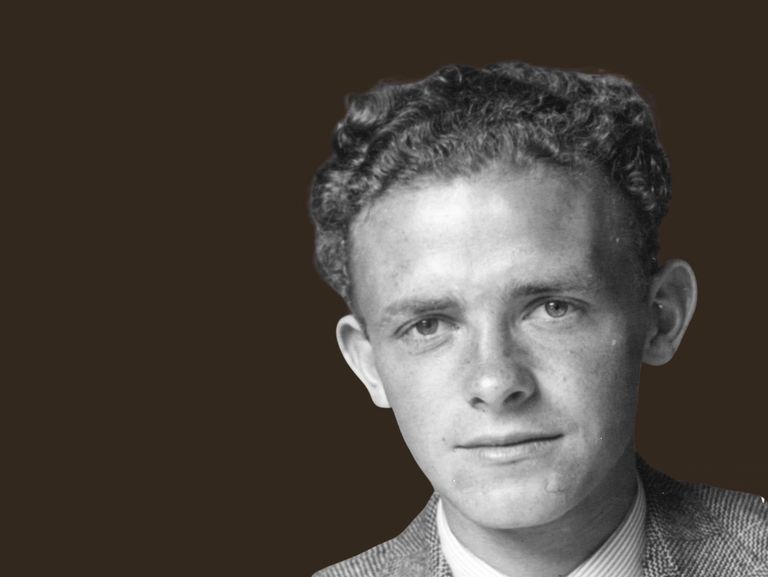
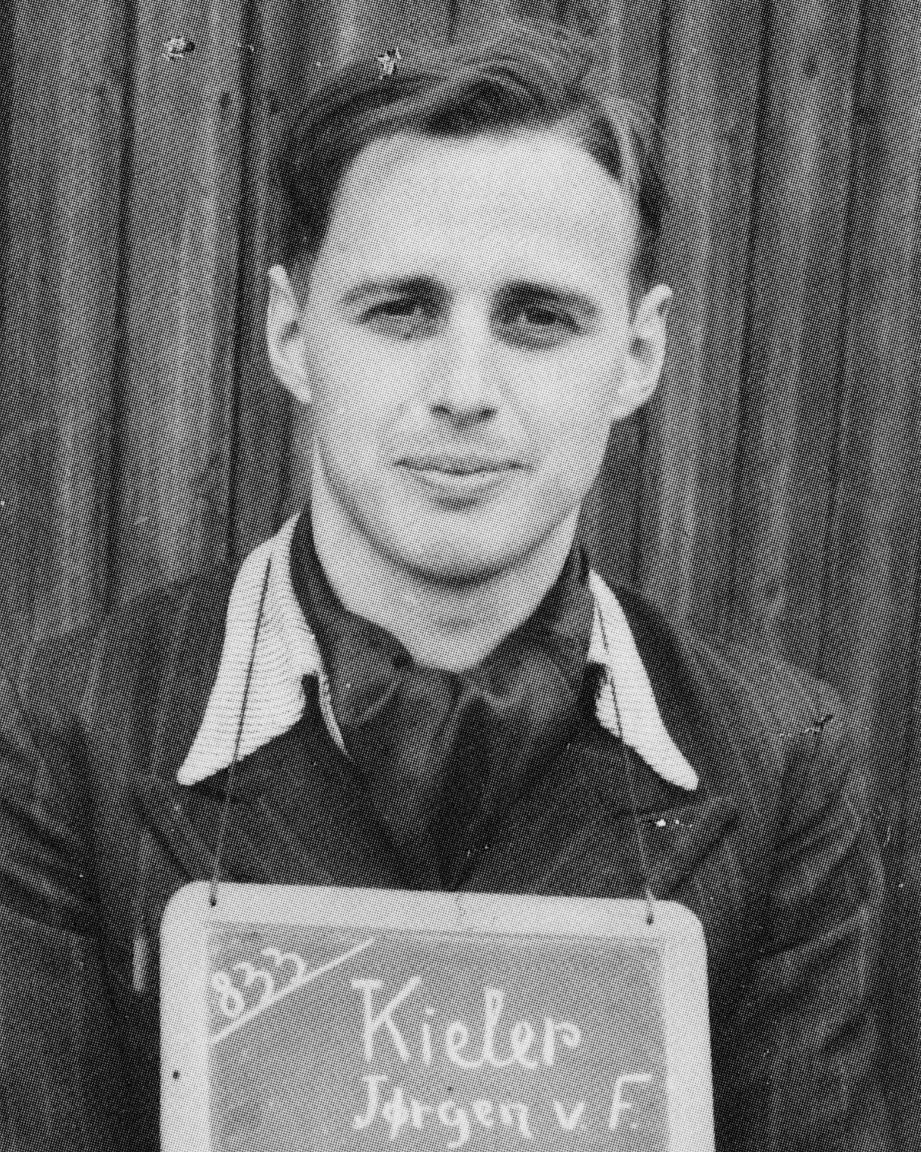
Jørgen Kieler
19192017
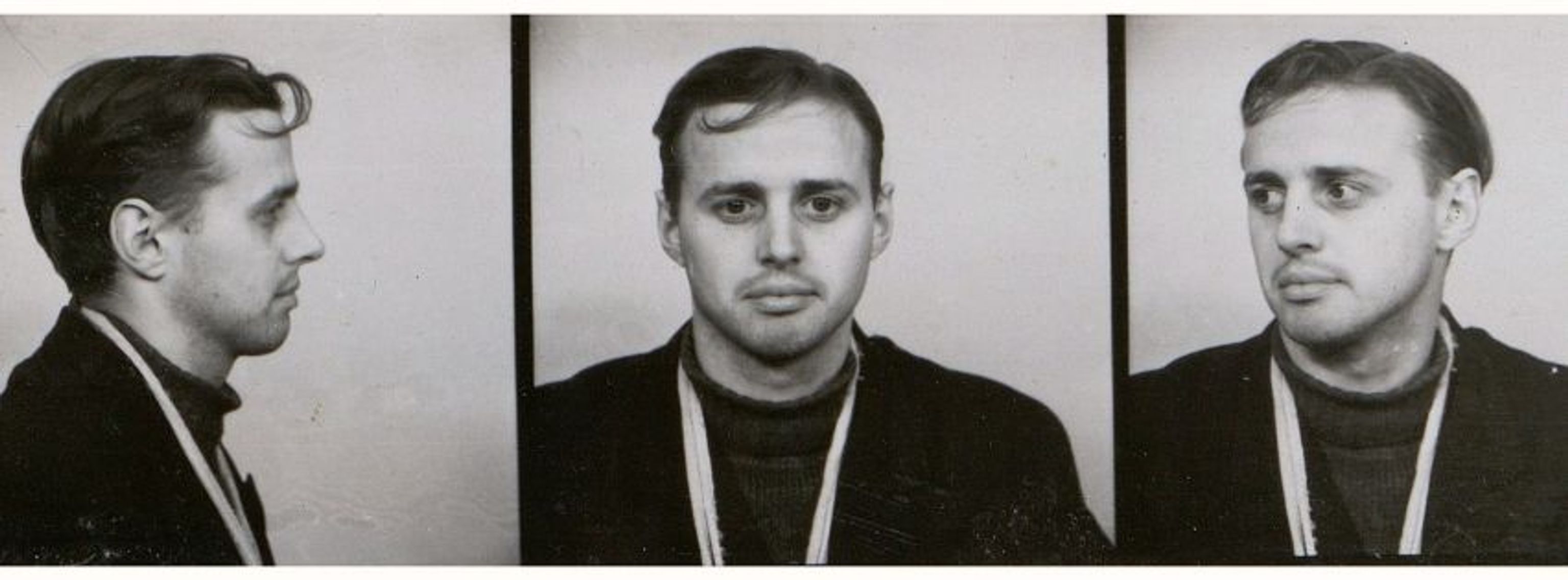
- Profession
- Medical student during the occupation. Later becomes a doctor and cancer researcher.
- Resistance activity
- He takes part in liquidations, sabotage operations, the underground press, and helping Danish Jews escape.
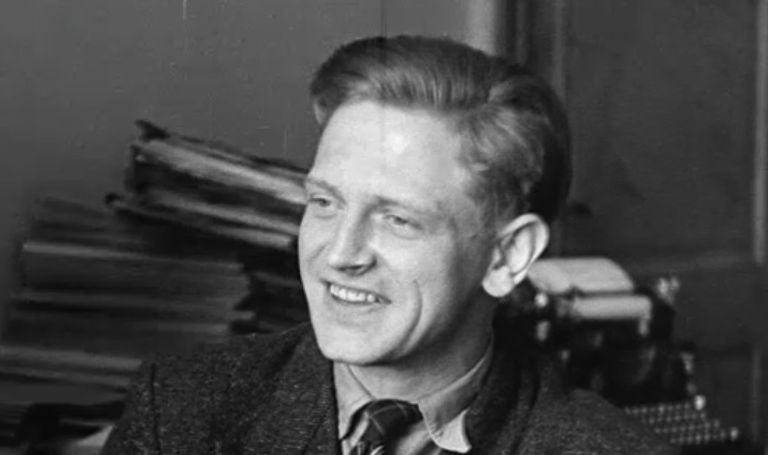
The young medical student Jørgen Kieler faces a difficult choice: should he move from unarmed resistance to armed struggle, with the risk of killing others? Jørgen chooses the latter – a decision that will have major consequences.
1.
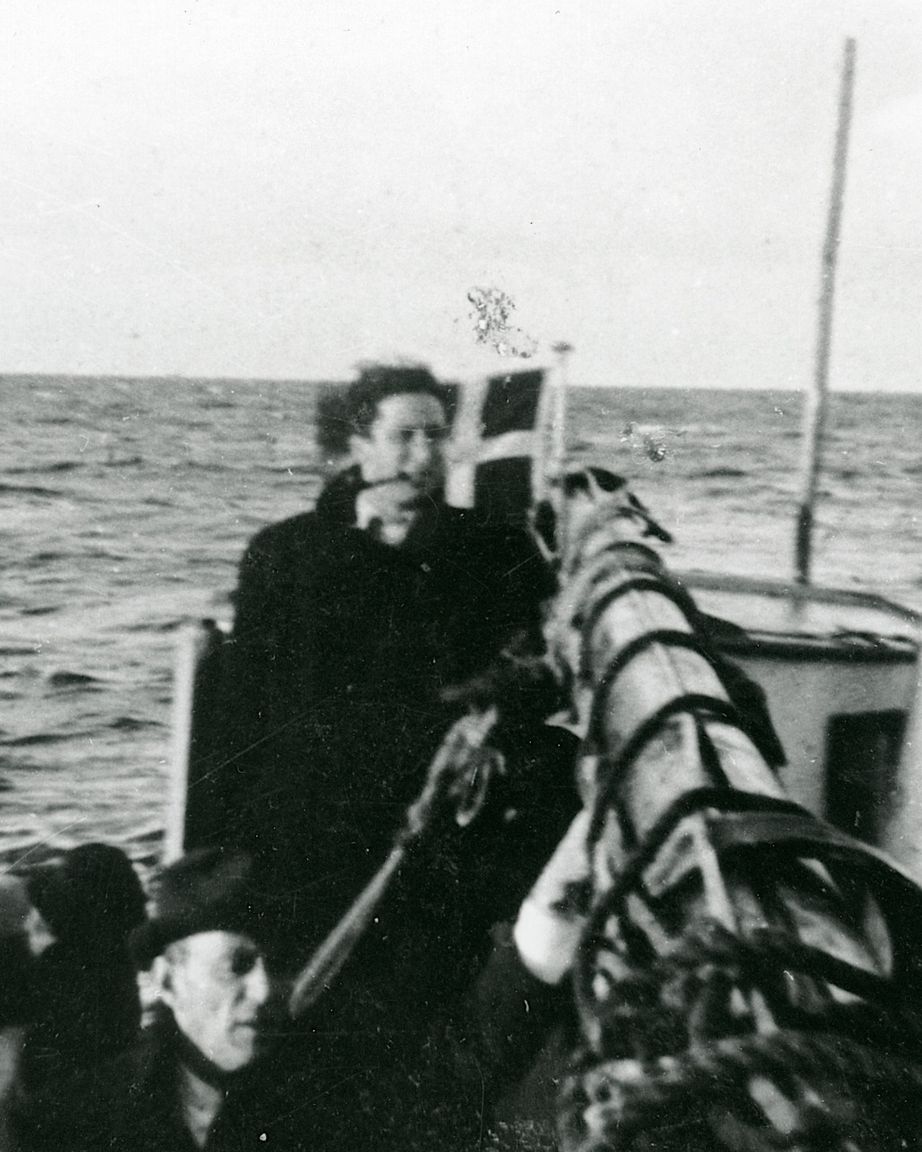
Jørgen helps Jews
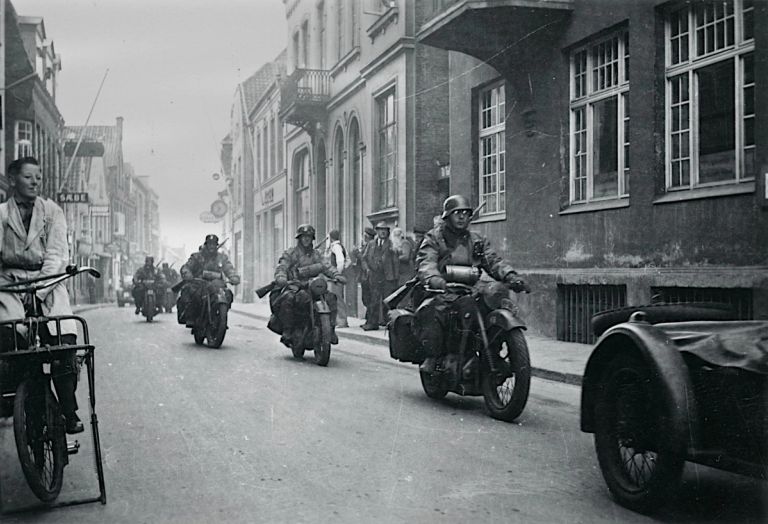
The selected taxis drive with Jewish passengers toward the habour in Copenhagen. A little before they reach the harbour area, the taxis stop. The Jews have to walk the rest of the way themselves to the waiting fishing boats that will sail them to Sweden. The young medical student Jørgen Kieler is there as well. His bicycle is loaded with the Jews’ luggage, which he is helping to carry.
2.
Bitterness turns into resistance
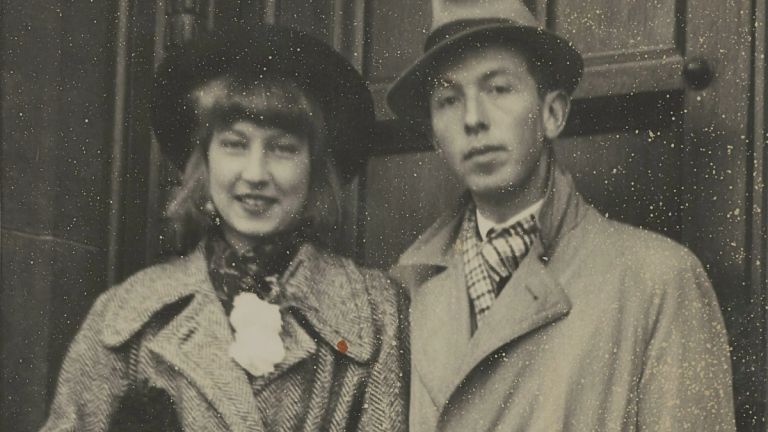
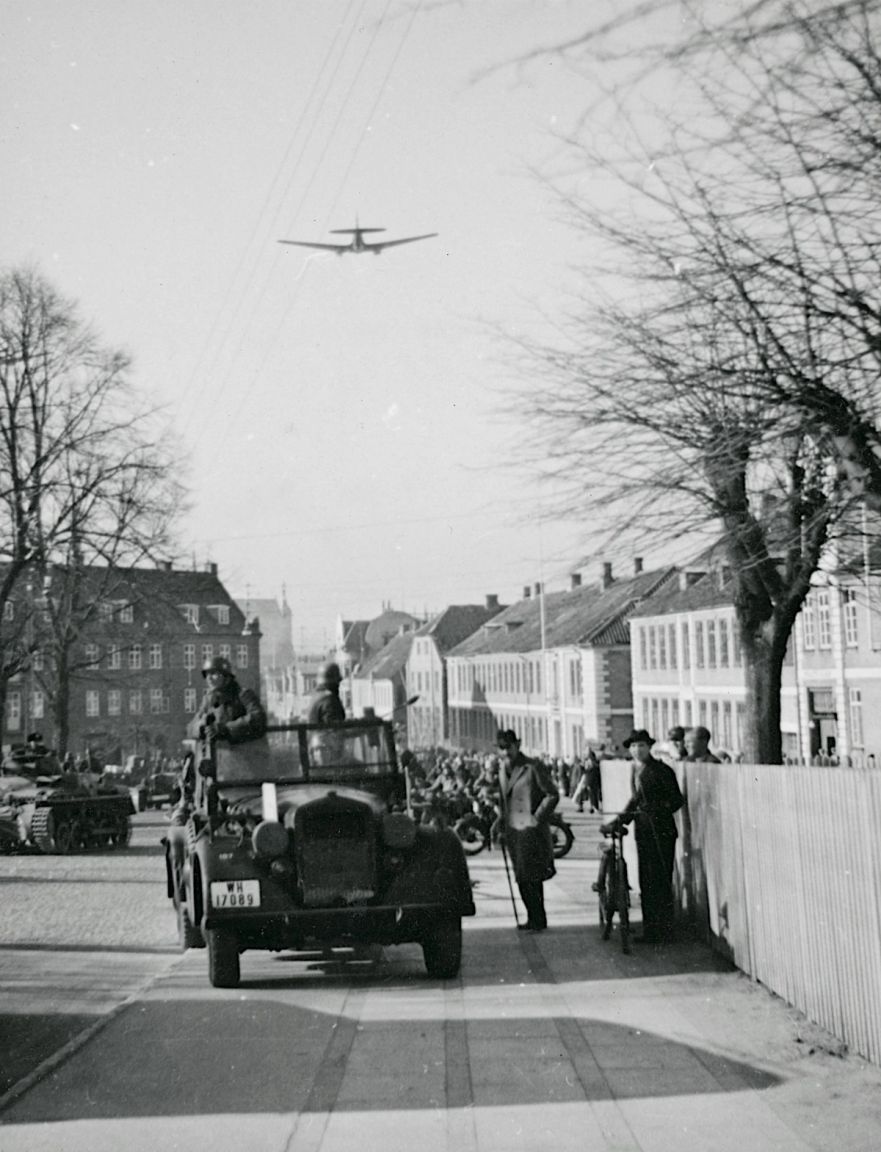
However, Jørgen Kieler’s involvement in the resistance movement begins somewhere else. The occupation 9 April 1940 is a source of great shame and sorrow for Jørgen and his siblings. Denmark has in effect surrendered without a fight. He is bitter toward the government. As part of the student community in Copenhagen, he therefore becomes active in the resistance together with his brother Flemming and his sisters Elsebet and Bente, working on printing illegal newspapers.
3.
Ready for armed combat
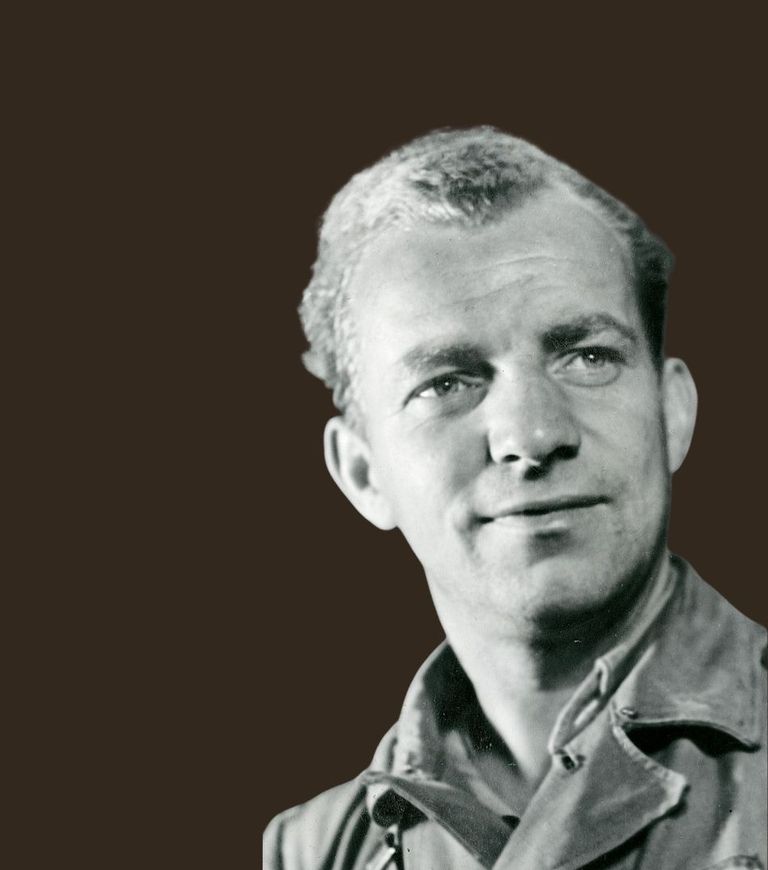
During the occupation, Jørgen Kieler goes from printing illegal newspapers and helping Danish Jews escape to taking part in sabotage operations. The decision to move from unarmed to armed resistance is not easy. His sisters are opposed to taking up weapons because of their Christian background. For Jørgen, the choice raises major ethical questions: how can he urge others to carry out sabotage if he does not himself dare to take the risk? The sabotage work comes to an end in September 1944, when Jørgen is deported to the Neuengamme concentration camp.
Meet Jøgen and the other Danes during the occupation