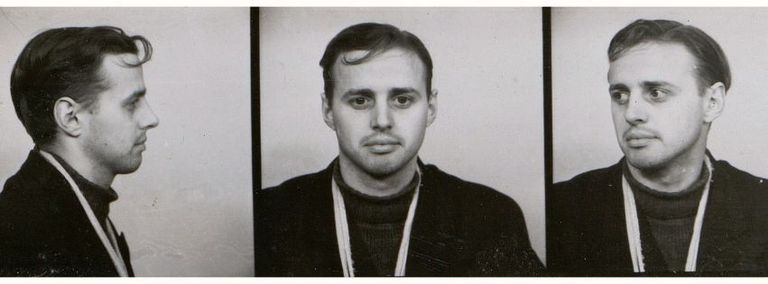
Musse Hartig
19151996
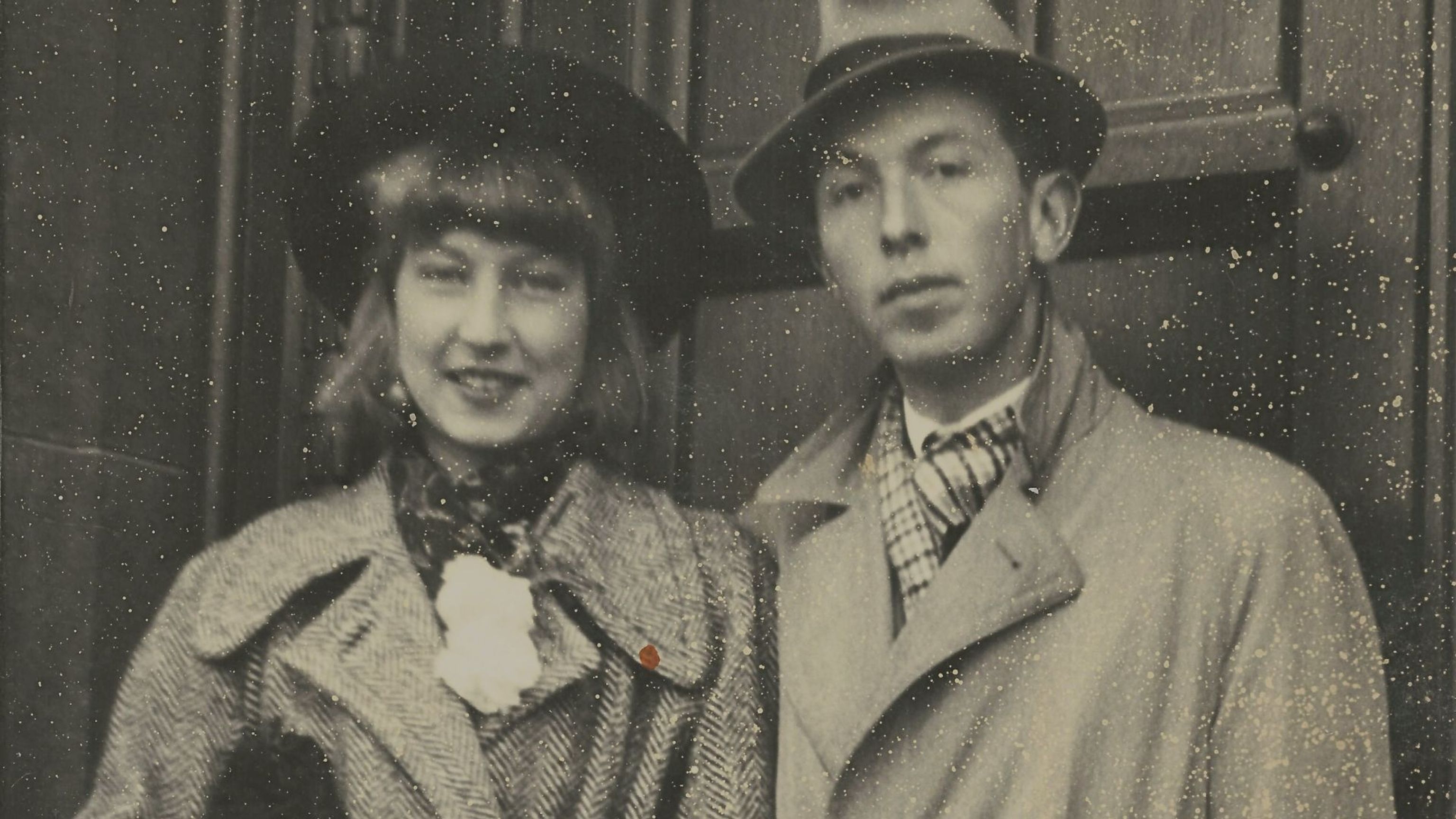
- Profession
- Craftsperson, Artist
- Resistance activity
- Couriers, illegal hostess and general illegal activity.
Musse Hartig fights against the Nazis with a pistol in her handbag and two small children at home. In the gender role of the time, it is far from simple to be both a resistance fighter and a mother at the same time.
1.
Resistance figther and mum at the same time
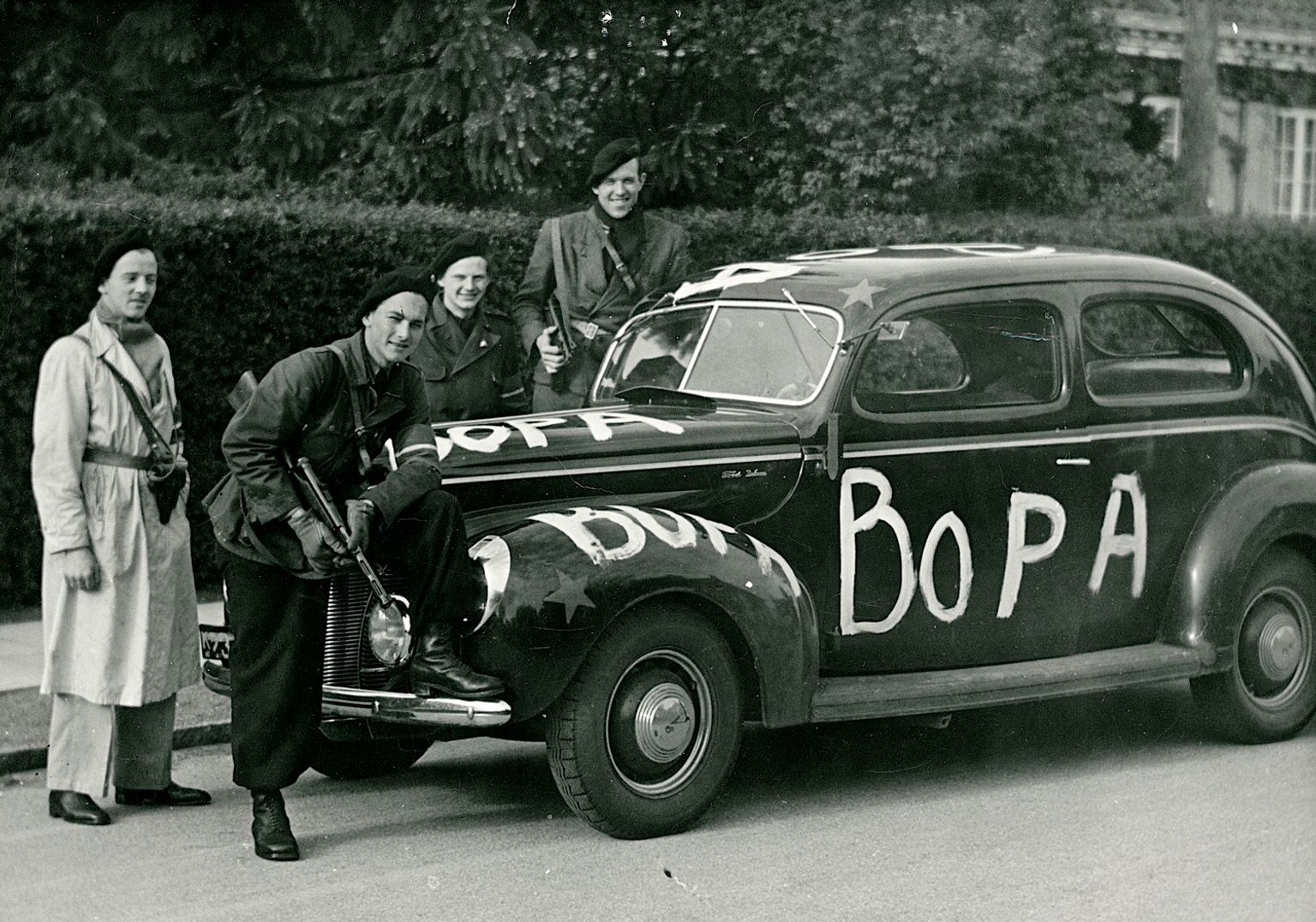
When Musse isn’t out working as a courier for the sabotage organization BOPA, she’s wiping her daughters Susanne and Lulu’s bottoms, cooking, and waiting for her husband Knud to come home from sabotage missions. She leads a double life that demands a lot from her as a woman, a mother, and a human being all at once. It’s a role for which the society of that time has neither words nor recognition.
2.
The advantage of being a woman
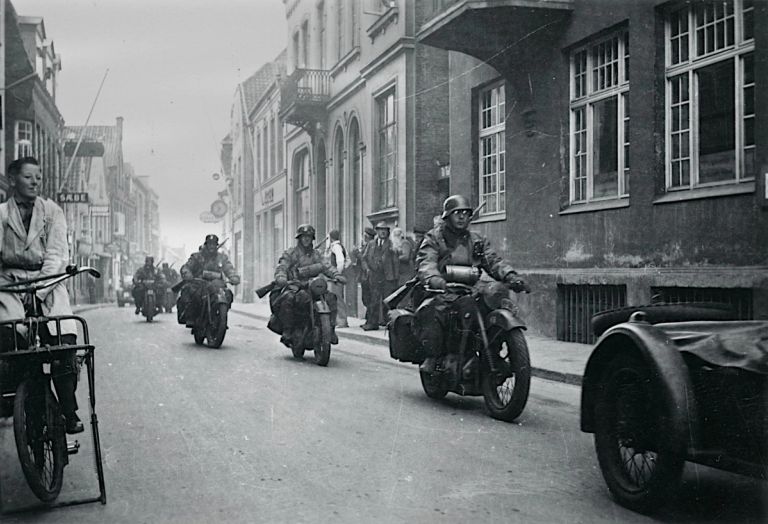
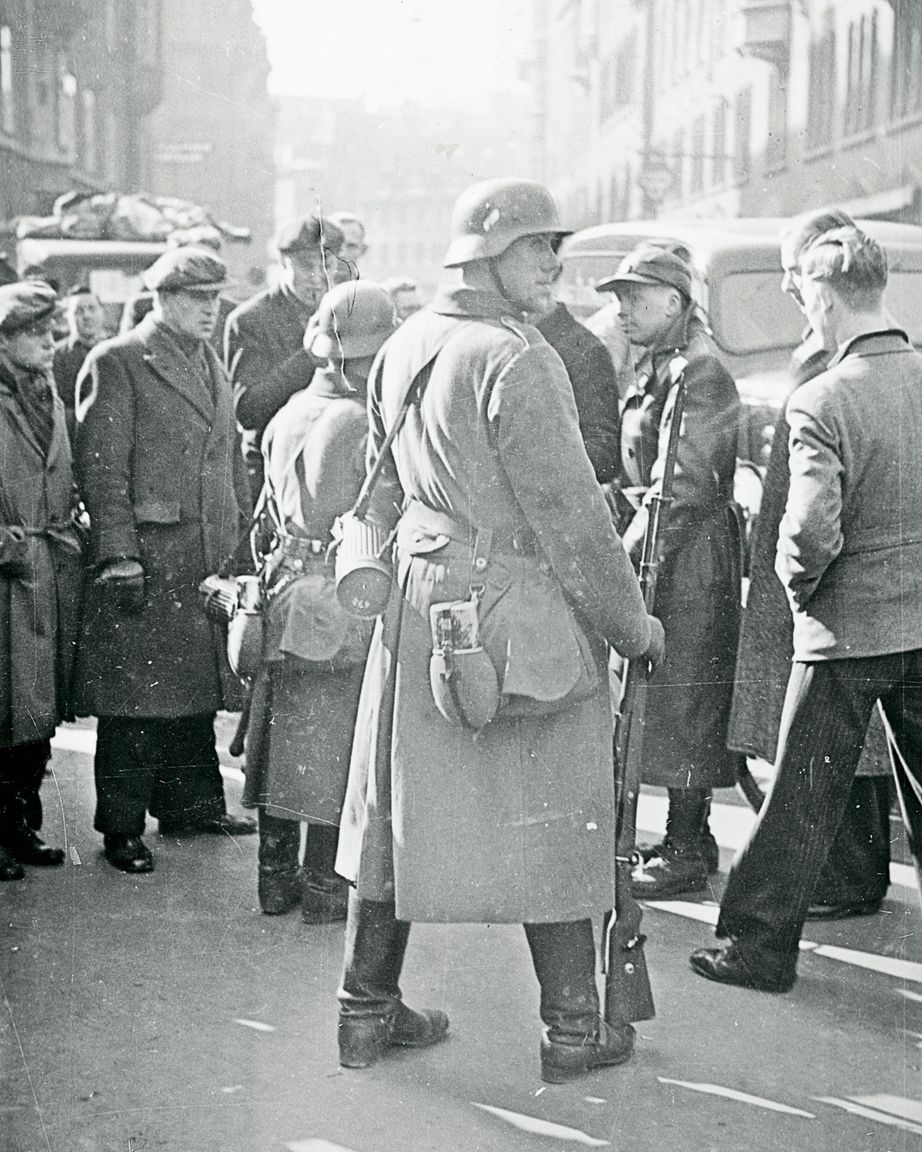
One day, Musse Hartig comes walking down the street with a random acquaintance she ran into. In her handbag lies a pistol she has just picked up. As she turns the corner, she unwittingly runs into a German raid. Musse’s acquaintance is bewildered by the situation but allows the German soldier to search her. Boldly, Musse smilingly holds out her handbag to the soldier and pretends she is about to open it. “Dame nicht, Dame nicht,” he exclaims. Musse Hartig walks on with legs like jelly.
3.
Goodbye, children
In 1944, the Nazis are on the trail of Musse and Knud, and the couple must go into hiding under false identities. Musse leaves 14-day-old Lulu at Queen Louise’s Children’s Hospital and not-quite-two-year-old Susanne at a coastal hospital – Susanne screams heartbreakingly as her mother hands her over. It is one of many difficult choices Musse makes during the occupation, and the consequences haunt her long after the end of the war.
Meet more resistance fighters in the exhibition