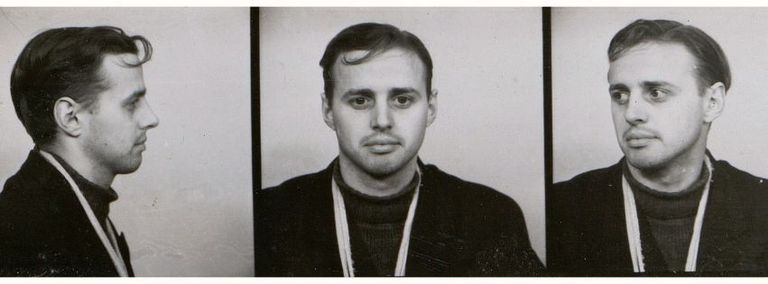
Karl Christensen
19132002
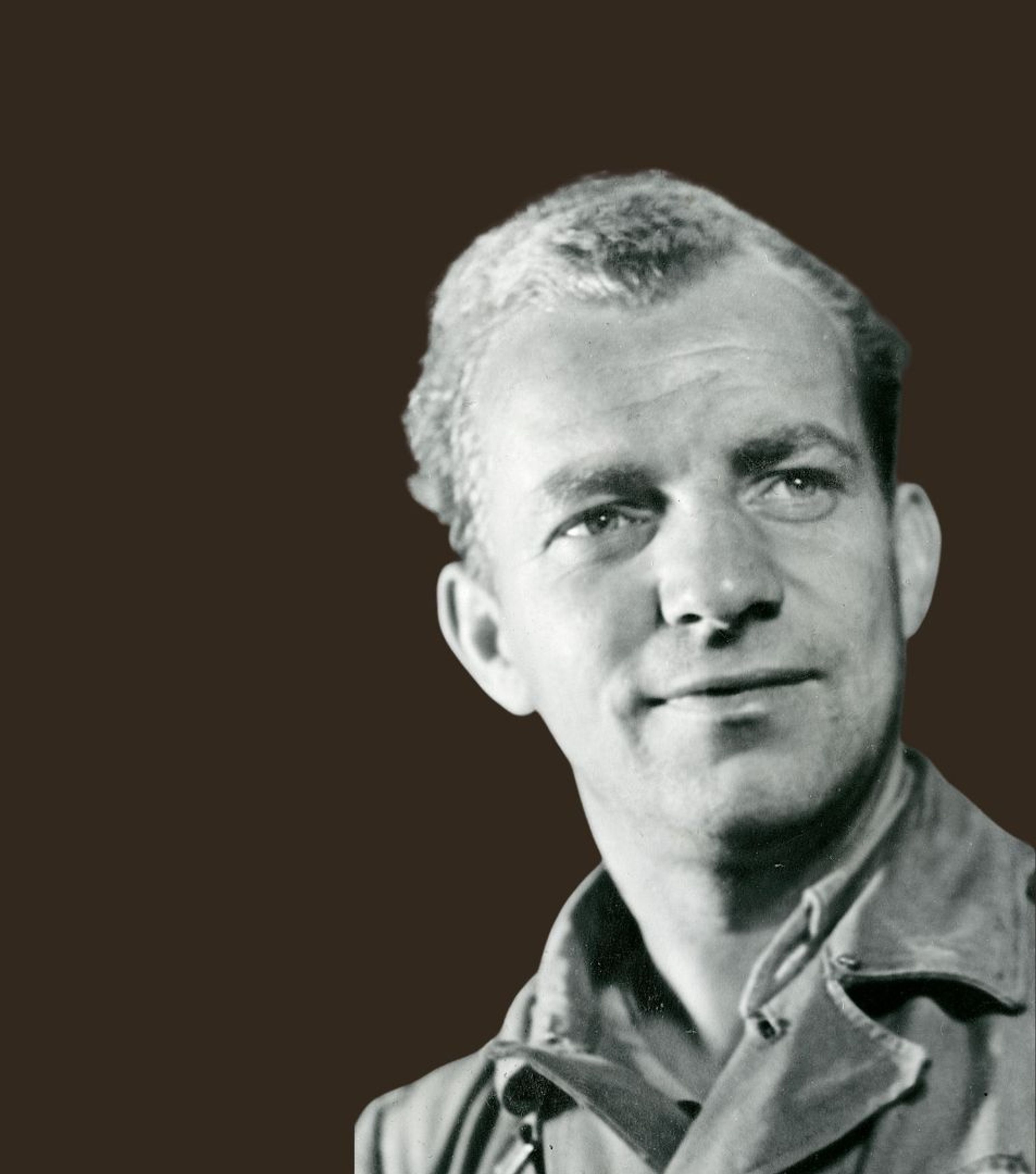
- Profession
- Baker
- Resistance activity
- Illegal press, industrial sabotage, military group and general illegal activity.
Karl Christensen’s political convictions lead him both past Franco’s Spain where he fights the fascist regime and to the Horserød camp as an interned communist.
1.
Two men, one bomb, one chance
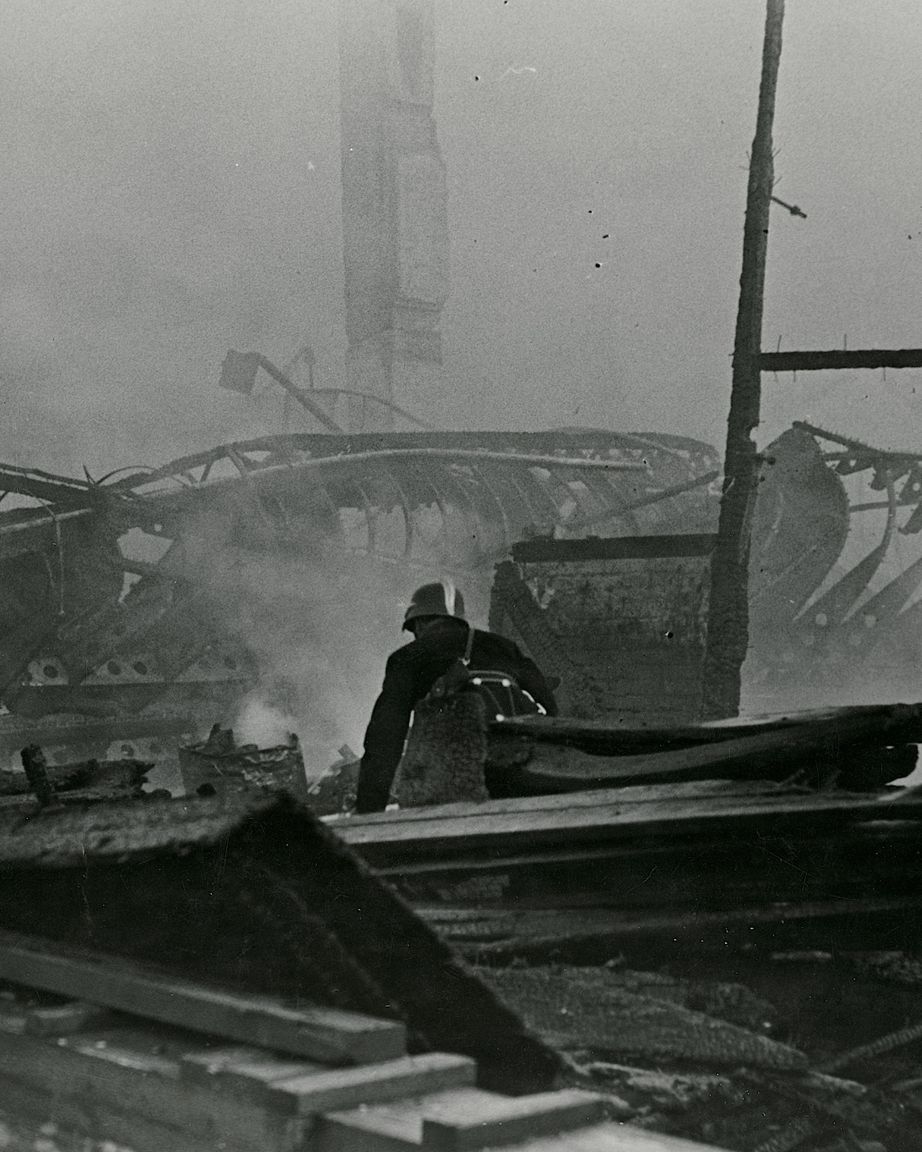
Early on a Sunday morning in 1942, two men sneak through Copenhagen armed with incendiary bombs and a bottle of gasoline. They are Karl and his comrade Johan. They crawl in through a pried‑open window at the boatyard Nordbjærg & Wedell, which produces wooden boats for the German occupying forces. Karl stuffs an incendiary bomb into a pile of shavings, splashes gasoline on it, and lights the fuse. The half minute they wait outside in the dark feels like an eternity, until they hear the crackling sound they came for.
2.
The resistance struggle begins in Spain
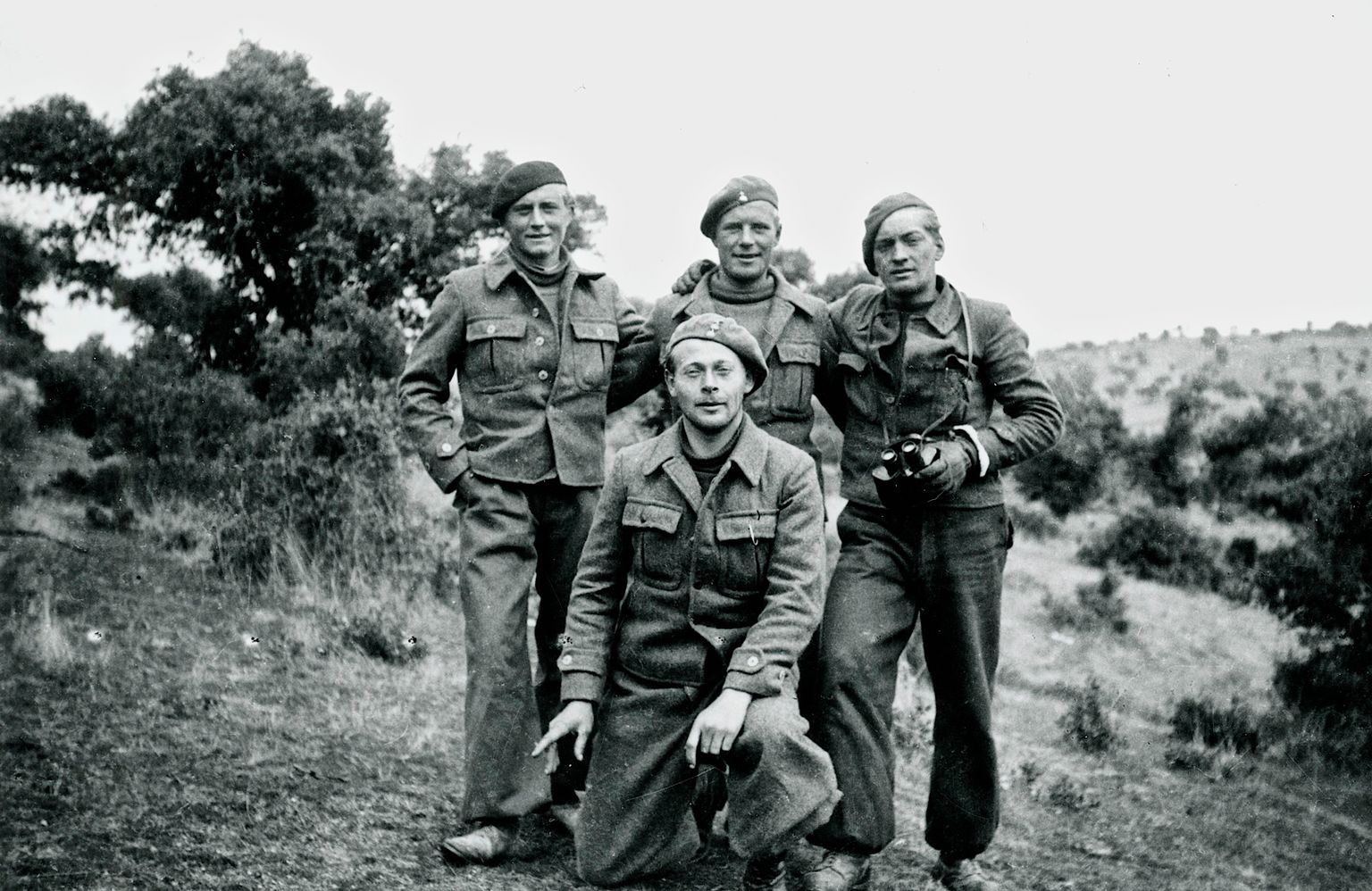
For Karl Christensen, the sabotage in 1942 is not his first encounter with armed struggle against fascism – he has already travelled to Spain as a volunteer to fight against Franco in the civil war. That commitment costs him dearly – because when the occupying power demands that leading communists and Spanish Civil War volunteers be arrested, Karl ends up interned in the Horserød camp. Even so, he returns to the resistance struggle when he is released.
Find out what price Karl paid in the exhibition